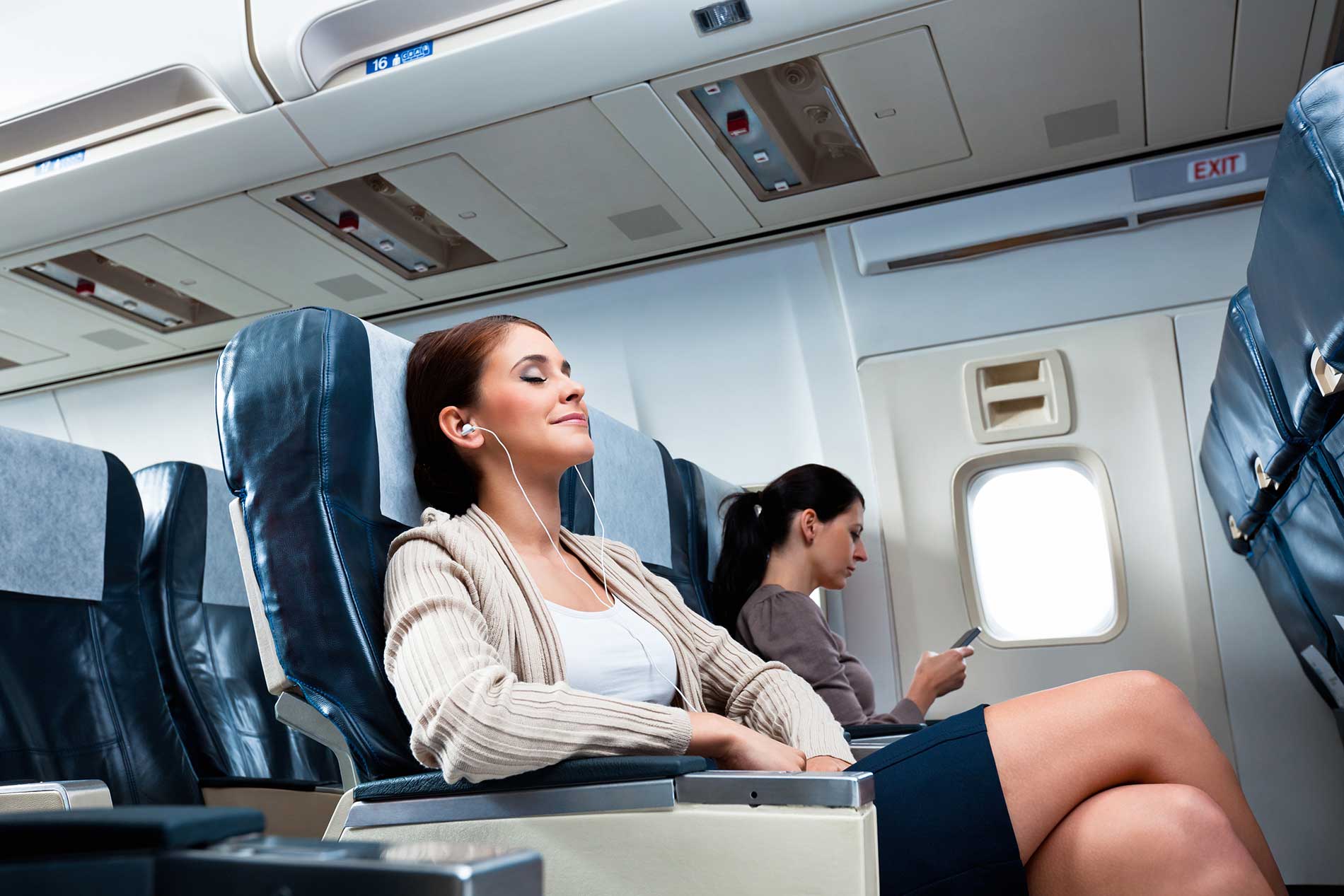
Ah, the airplane seat. A battleground for legroom, a canvas for questionable tray table meals and sometimes the only friend you've got between point A and point B. Choose wisely, and you could be cruising through the clouds in relative comfort. Choose poorly, and you might spend the next 14 hours wondering why your knees are practically introducing themselves to your chin.
Whether you're a frequent flyer or an occasional jet-setter, mastering the art of choosing the perfect airline seat can make all the difference between a flight you endure and one you actually enjoy.
1. Know Your Aircraft: The Blueprint to Bliss
Understanding your aircraft is like knowing the layout of a party venue. You want to know where the action is, which corners to avoid and where you'll find the best spot to settle in.
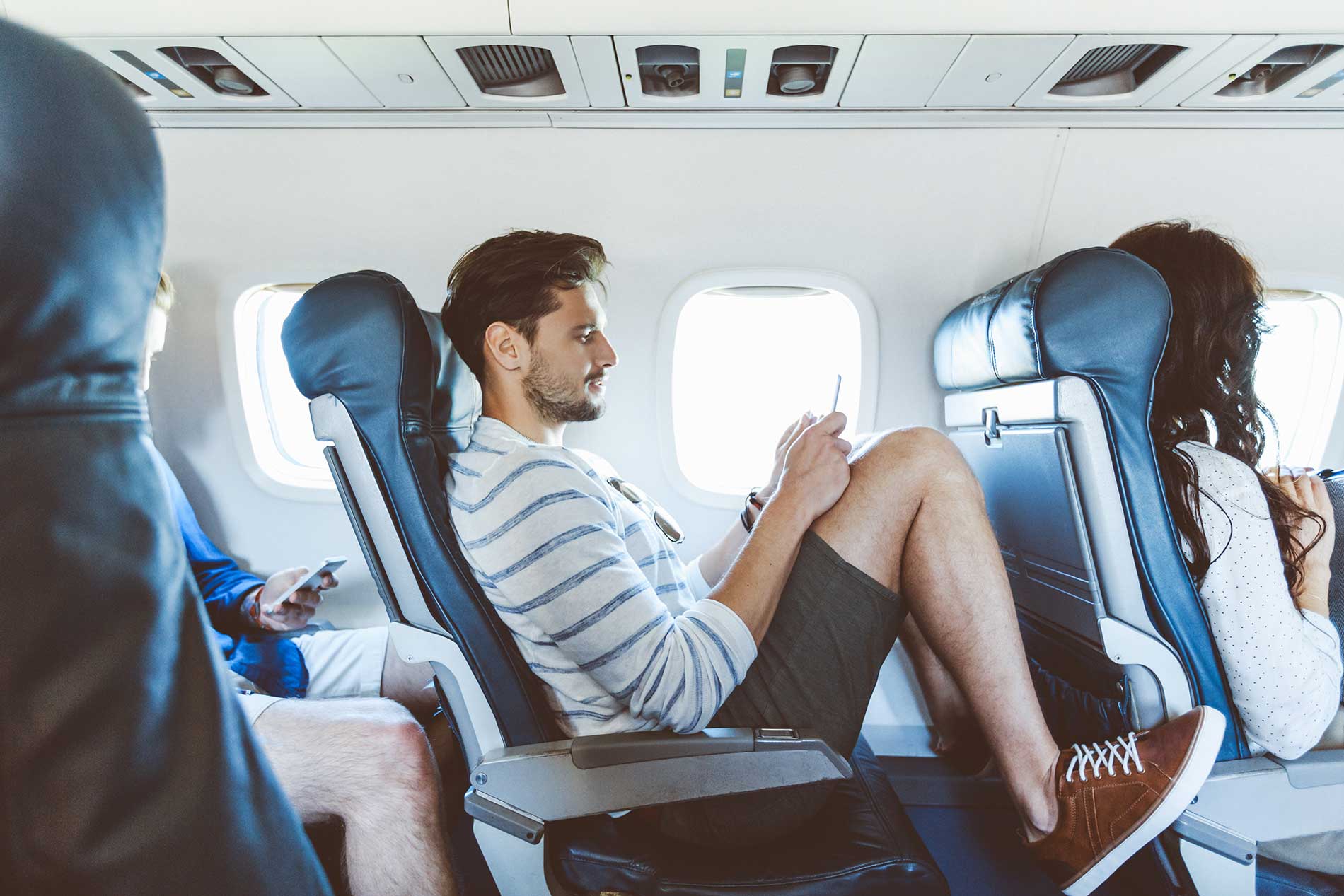
Before choosing your seat, check the aircraft type and seating layout. Your airline's official seat map is a good place to start, while independent resources such as AeroLOPA can give you a closer look at cabin configurations, window positions and seat arrangements. Is 14A a window seat with a view or one that leaves you staring at a blank wall? A little research can help you avoid an unpleasant surprise.
And remember, not all aircraft are created equal. Seat width, legroom and cabin layouts can vary considerably, even within the same airline. Our airline guides can help you explore the airlines flying from Australia.
Pro Tip: Don't assume a newer aircraft automatically means a better seat. Check the actual cabin layout, especially if legroom and seat width are high on your comfort wish list.
2. Timing Is Everything: The Art of Early Check-In
Remember the early bird who gets the worm? Well, in the world of airline seats, the early bird might just avoid being wedged between two strangers for the next 12 hours.
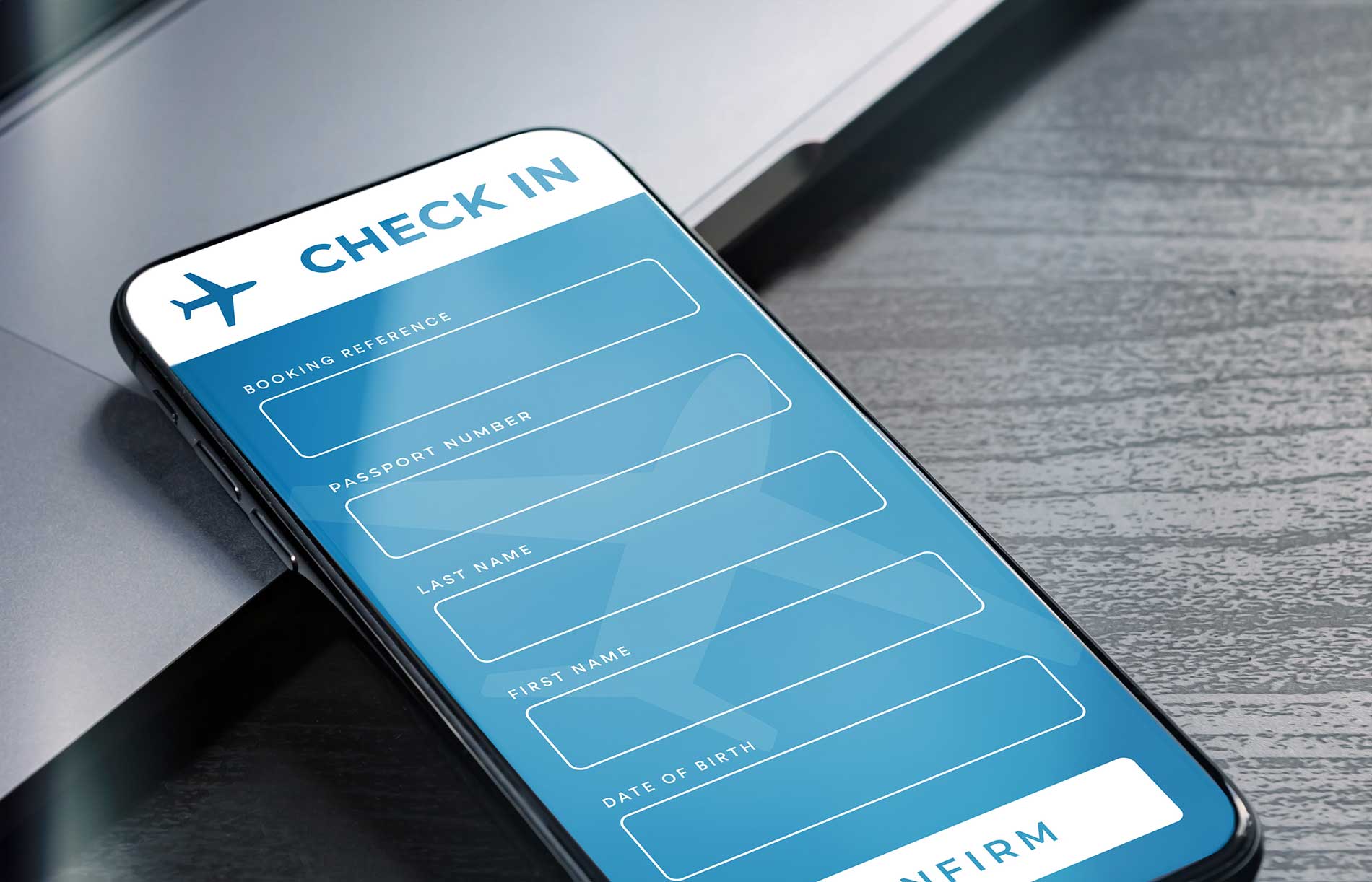
Many airlines open online check-in around 24 to 48 hours before departure, although the exact timing varies. Checking in early can give you a better chance of choosing from any remaining available seats, particularly if you haven't already selected one.
But here's the catch. Some airlines charge for preferred seats, extra legroom or exit rows, so checking in early doesn't necessarily mean you'll snag one for free.
Pro Tip: Set a reminder for when online check-in opens. Even if you've already selected a seat, it's worth checking whether something more appealing has become available.
3. Play the Loyalty Game: Frequent Flyer Perks
Joining an airline's frequent flyer program is a bit like entering an exclusive club, except the secret handshake involves collecting points and dreaming of Business Class.
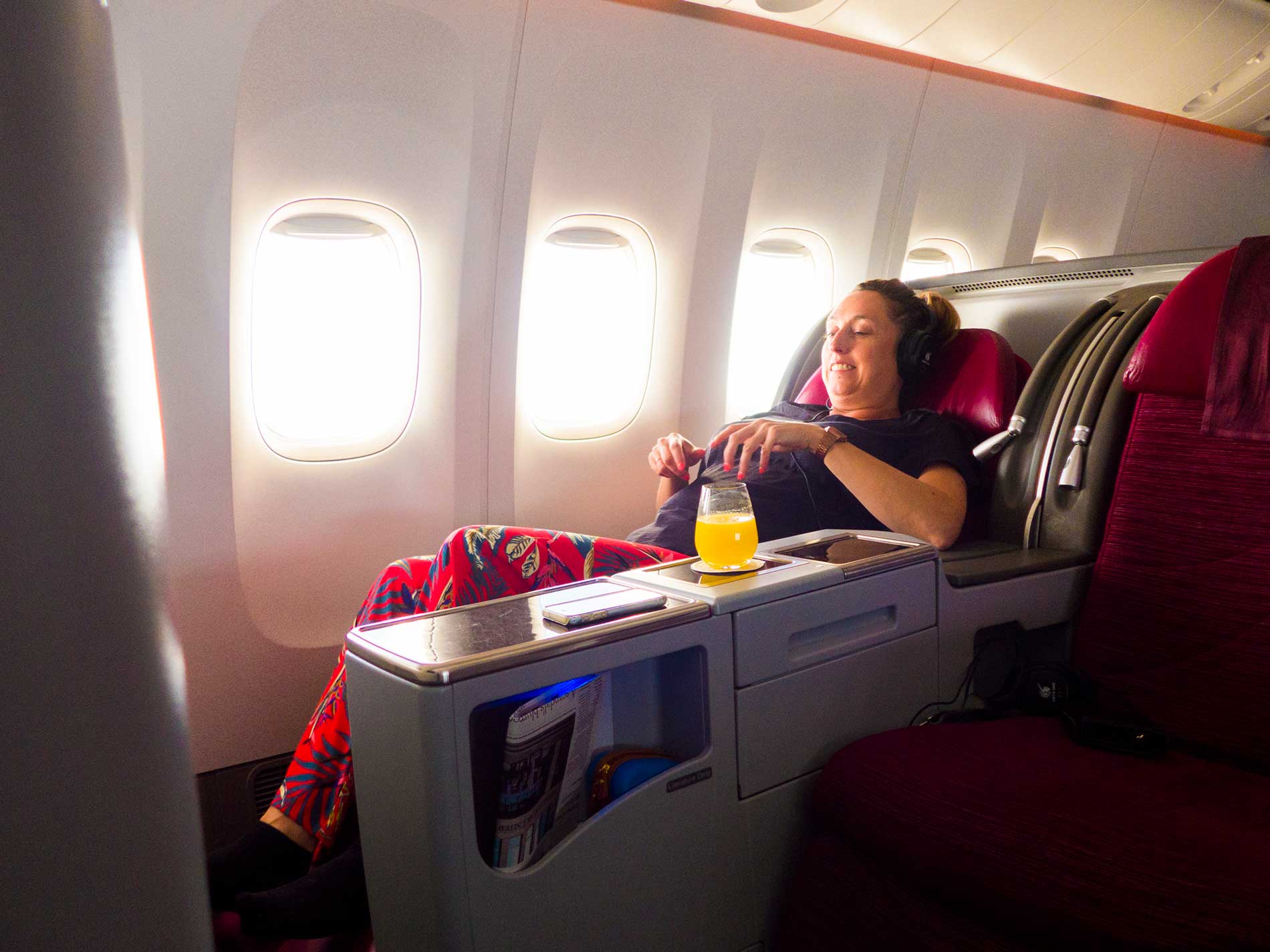
If you regularly fly with the same airline, building up your frequent flyer status could unlock some rather lovely perks. Depending on the airline and your membership level, these might include priority boarding, complimentary preferred seat selection or access to upgrades.
For Australian travellers who frequently fly with Qantas or Emirates, it's worth exploring their loyalty programs and eligible partner benefits.
Pro Tip: Check the benefits attached to your frequent flyer tier before paying for seat selection. You might already have access to preferred seating without realising it. And while some airline-linked credit cards offer travel perks, don't assume they'll automatically include free upgrades or better seats.
4. Strategic Seat Selection: The Goldilocks Principle
Choosing the right airline seat is a bit like dating. You need to find one that's just right, preferably without any unpleasant surprises once you're committed.
Here's how the main contenders stack up:
- Aisle Seat: Perfect for travellers who like to stretch their legs or make frequent bathroom visits. Just prepare for the occasional elbow bump from a passing trolley.
- Window Seat: A dream for sleepers, scenery lovers and anyone who prefers having a wall to lean against. The downside? You'll need to negotiate your escape whenever nature calls.
- Exit Row: Often a winner for extra legroom, but you'll need to meet the airline's safety requirements and be willing and able to assist in an emergency. Some exit-row seats also have limited recline or fixed armrests.
- Bulkhead Seat: No reclining passenger directly in front of you! However, tray tables may be stored in the armrests, and you'll usually need to stow your belongings overhead during takeoff and landing.
- Middle Seat: Well, someone's got to sit there. Unless you're travelling with particularly delightful companions, it's rarely anyone's first choice.
Pro Tip: Light sleepers might want to avoid seats near galleys and toilets, where foot traffic, conversations and the occasional mysterious aircraft noise can make catching forty winks a challenge.
5. Upgrade Wisely: The Sweet Spot of Comfort
Sometimes, spending a little extra can make a world of difference. And when you're facing a 15-hour flight, a few more inches of legroom might start looking like the greatest investment you've ever made.
Airlines offer different levels of paid seat upgrades, from extra-legroom Economy seats to Premium Economy and Business Class. But before you reach for your credit card, check exactly what you're getting.
A preferred Economy seat might simply be closer to the front of the cabin, while an extra-legroom seat offers more space to stretch out. Premium Economy, where available, generally comes with a different seat and additional comforts.
Pro Tip: Keep an eye on your booking and emails as departure approaches. Some airlines offer upgrade opportunities or bidding programs, although availability and pricing can vary. A little extra comfort is lovely, but only if the price makes sense.

6. Make Use of Technology: Apps and Alerts
Why spend hours obsessively refreshing a seat map when technology can do some of the legwork for you?
Airline apps and booking management tools can help you check your seat assignment, explore available alternatives and sometimes make changes before departure.
Third-party services such as ExpertFlyer may also offer seat availability alerts for supported airlines and flights. Just remember that a seat showing as available on a map isn't necessarily available for free selection.
Pro Tip: Download your airline's app before travelling and check your booking occasionally. Aircraft changes, cancellations and passenger movements can all affect seating arrangements, so that dream window seat might become available when you least expect it.
7. The Power of Politeness: Ask and You Might Receive
Sometimes, the best travel trick doesn't involve fancy technology, secret booking hacks or a spreadsheet worthy of NASA. Sometimes, it's simply being nice.
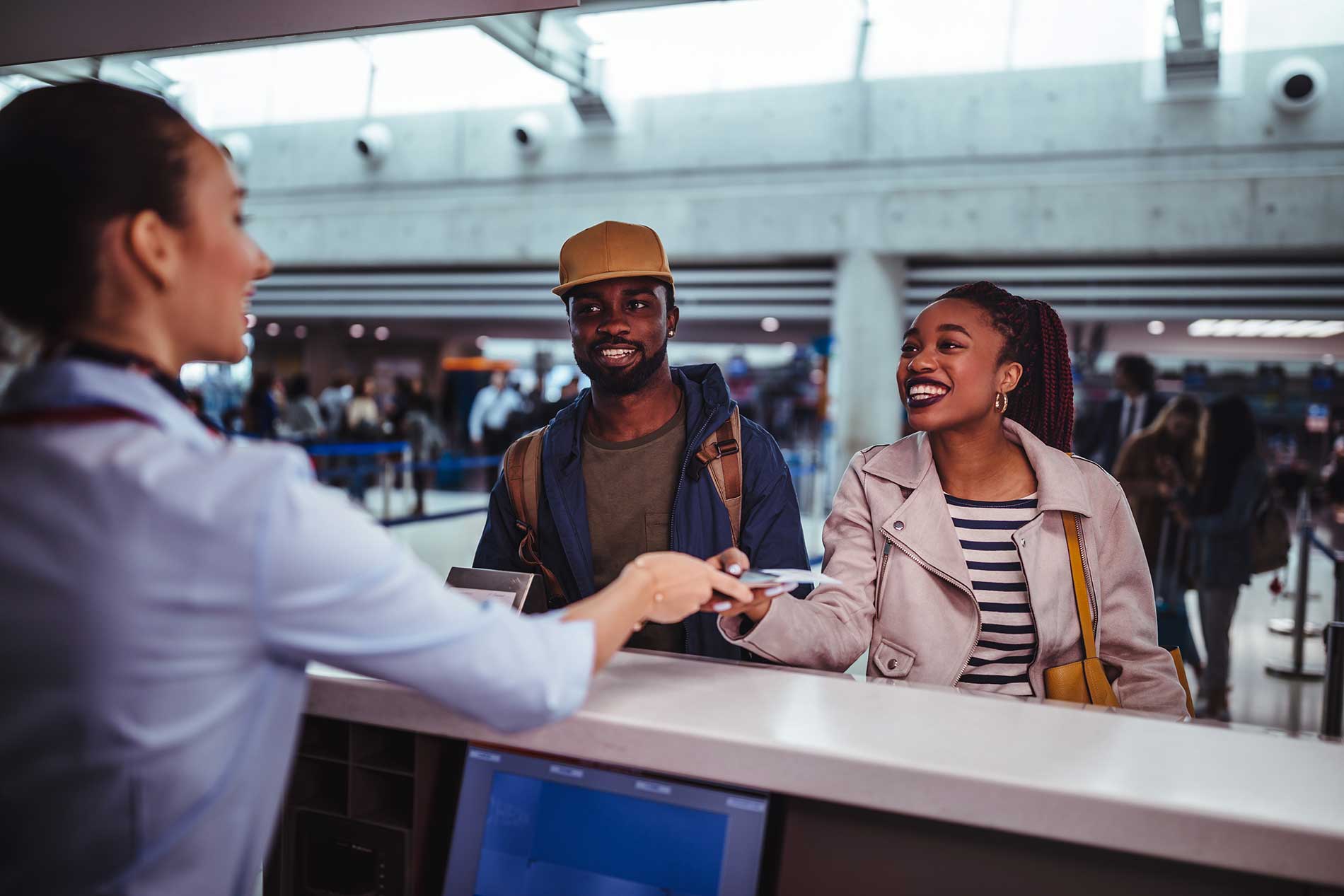
If you're unhappy with your assigned seat, politely ask the check-in or gate staff whether any alternatives are available. They may be able to help if seats have opened up or passengers have been moved around.
Of course, don't expect a complimentary Business Class upgrade just because you've flashed your winning smile. Airlines generally follow specific rules when allocating seats and upgrades.
Pro Tip: Be friendly, be flexible and ask rather than demand. A little courtesy can make the conversation more pleasant for everyone, even if the answer is no.
8. Avoid the Middle Seat: The Dreaded Sandwich
Ah, the middle seat. The Bermuda Triangle of air travel, where elbow room mysteriously disappears and personal space becomes a distant memory.
If you've got the choice, an aisle or window seat will usually offer a more comfortable experience. Window lovers get something to lean against, while aisle dwellers enjoy easier access to the bathroom and the occasional opportunity to stretch.
Travelling with a companion? Some couples try booking the aisle and window seats in the same row, hoping nobody chooses the middle. It's a cheeky little gamble, but don't count on it working, especially on busy flights.
And if someone does end up between you, remember they're under no obligation to swap seats.
Pro Tip: If sitting together matters, book adjoining seats rather than gambling on an empty middle. Otherwise, you might spend the flight making awkward conversation across a complete stranger.
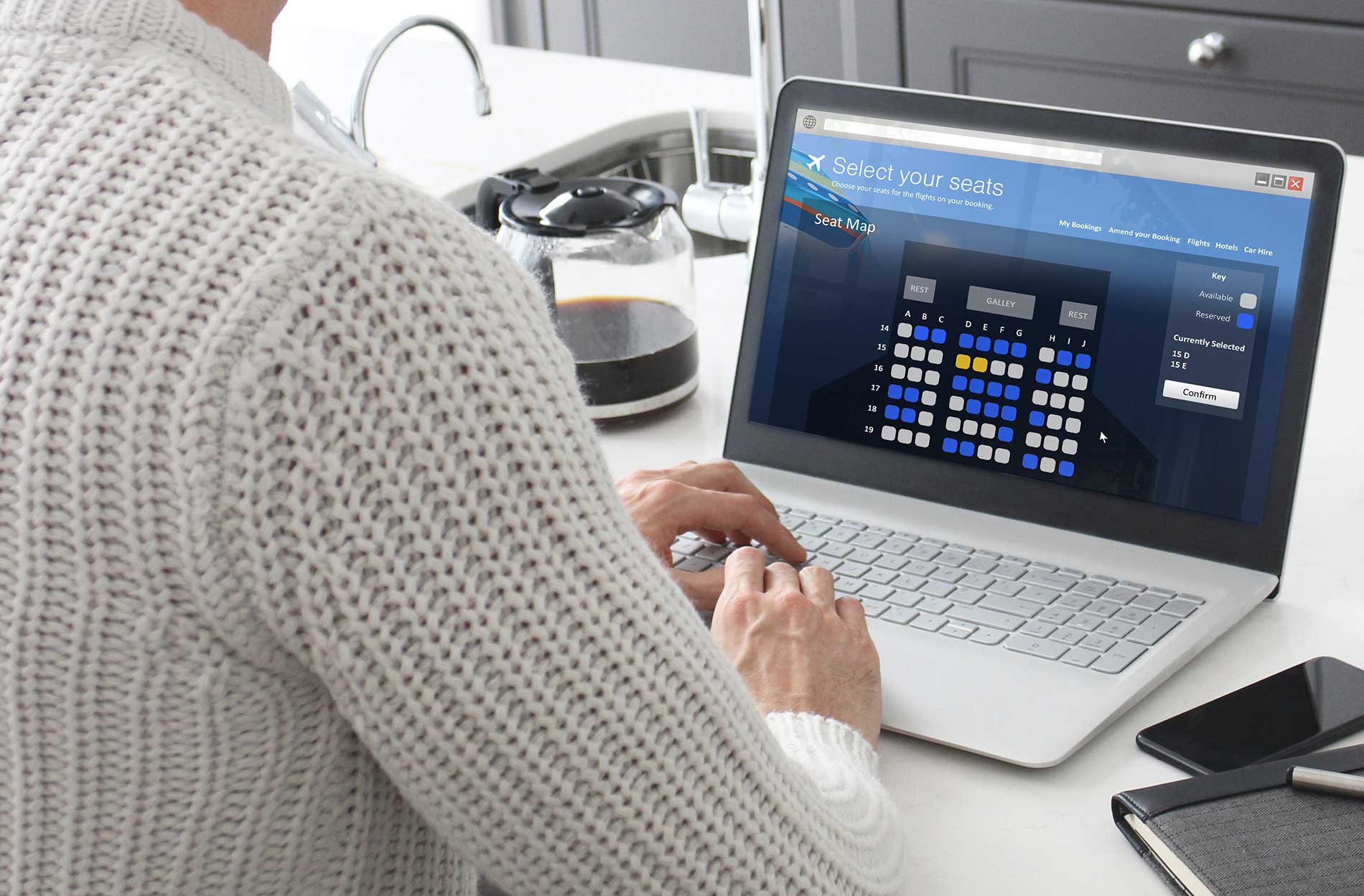
9. Post-Booking Manoeuvres: Keep Checking
Think your seat selection adventure ends the moment you book? Think again, my fellow sky-high strategist.
Airline seat maps can change between booking and departure. Passengers cancel, upgrade or switch seats, while airlines may adjust seating arrangements or change aircraft.
That means a seat that wasn't available when you booked could become an option later. It's worth checking your booking occasionally, particularly in the days leading up to departure.
Some airlines also release certain seats closer to departure, although the timing and availability vary. There's no magical 24-hour rule that guarantees a better spot.
Pro Tip: Check your seat again when online check-in opens. Just remember that airlines can change aircraft or reassign seats, so even a carefully chosen spot isn't always guaranteed.
10. The Art of the "Empty Seat Shuffle" (But Do It With Grace)
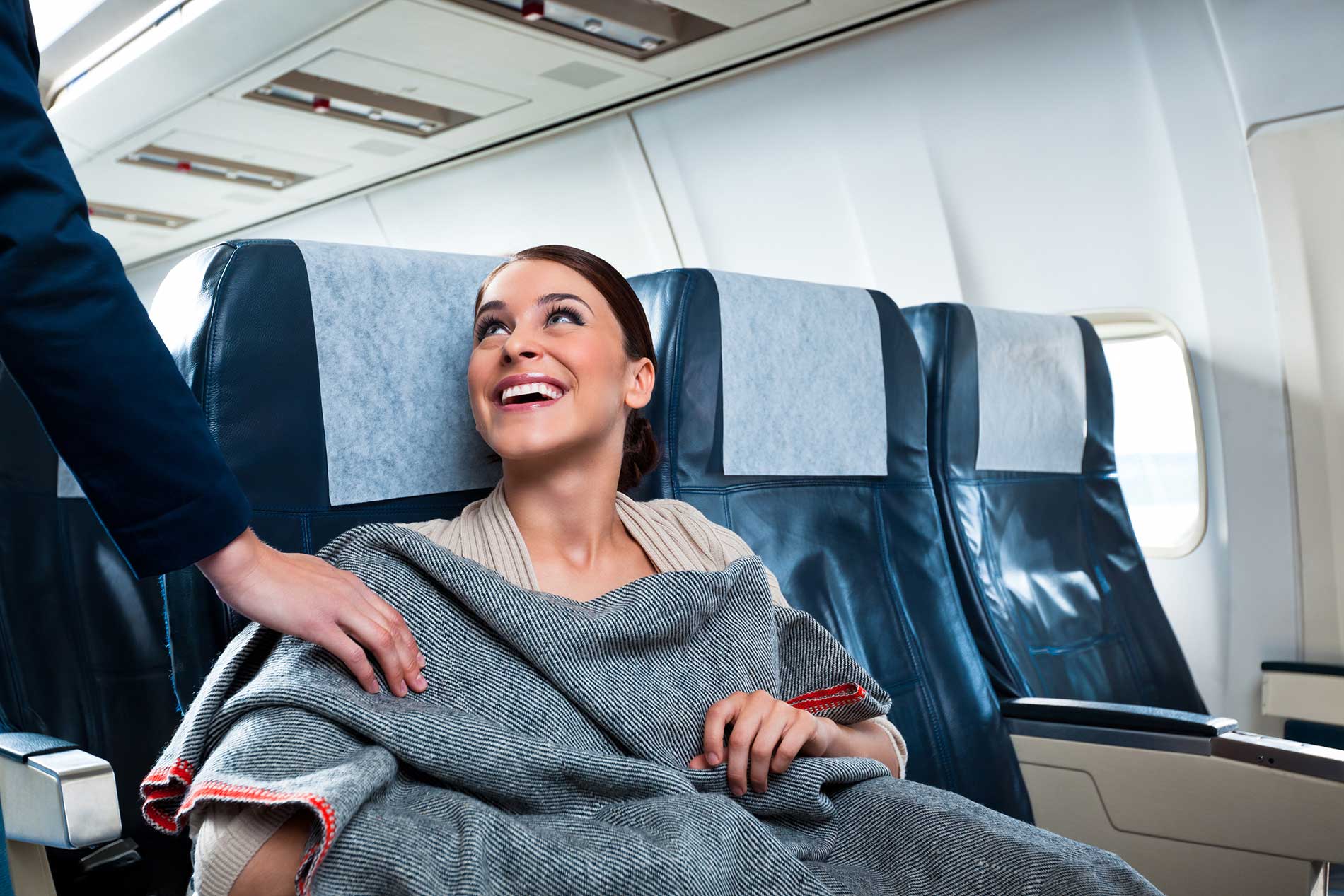
There's something wonderfully exciting about boarding a plane and discovering it isn't completely full. Empty seats! Spare armrests! Perhaps even the possibility of stretching out without accidentally invading someone's personal space.
But before you make a beeline for that suspiciously spacious empty row, hold your horses.
Seats may need to remain unoccupied for operational reasons, and airlines can have rules about moving between seats or cabin sections. Even if a seat looks empty, it doesn't automatically mean it's yours for the taking.
Once boarding is complete and it's safe to do so, politely ask a flight attendant whether you can move. They may be happy to help, depending on the airline's policies and the flight's requirements.
Pro Tip: Always ask cabin crew before switching seats and follow their instructions. And don't assume an empty extra-legroom or premium seat is a free upgrade. Some airlines will still charge for it.
11. Be Adaptable: Embrace the Unexpected
Sometimes, despite your best efforts, the universe has other plans. Your carefully selected window seat disappears after an aircraft change, your neighbour claims both armrests or you find yourself in the dreaded middle seat after all.
Deep breaths. Your holiday isn't ruined just yet.
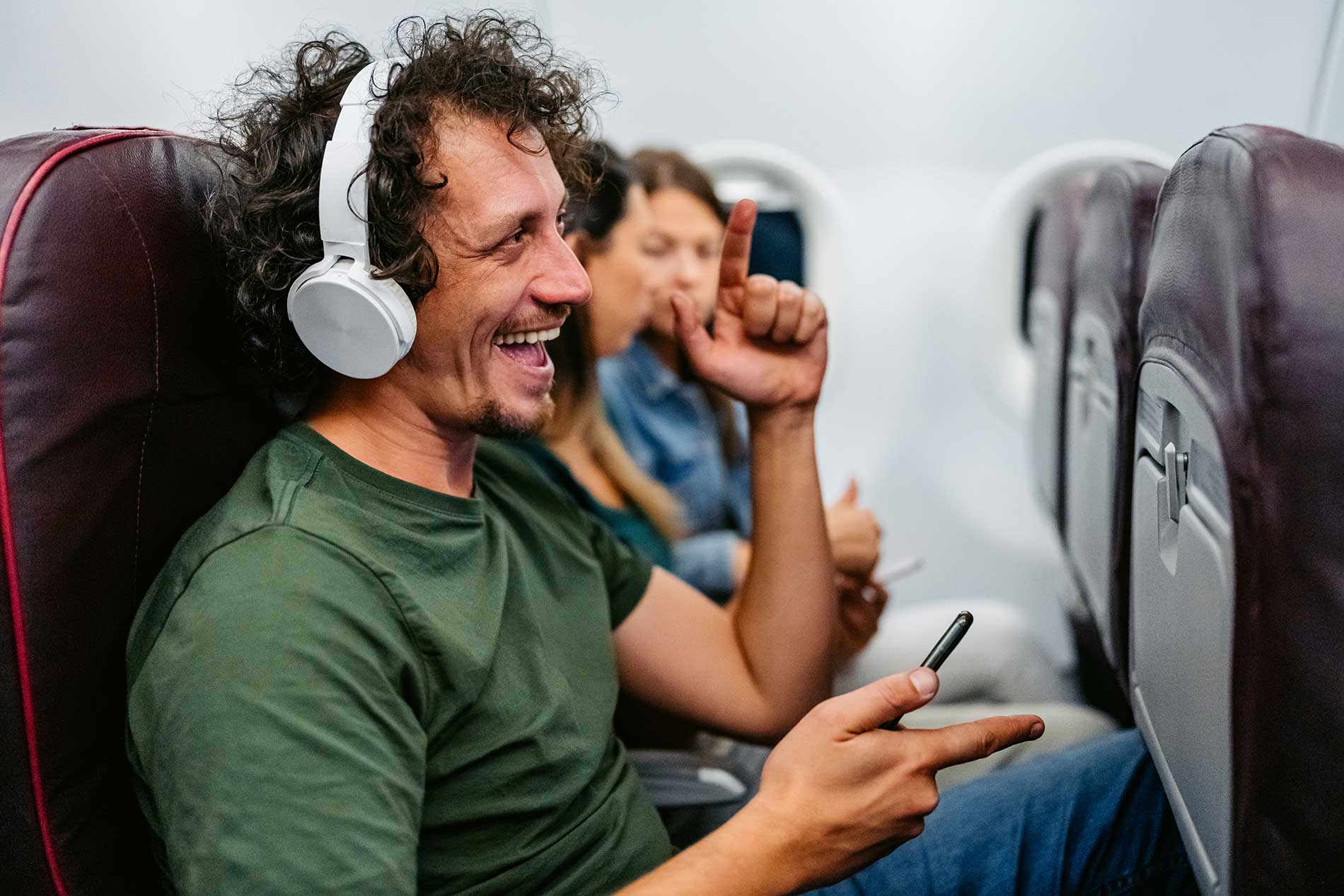
A few clever comfort essentials can make even a less-than-perfect airline seat considerably more bearable. Noise-cancelling headphones, an eye mask, a supportive neck pillow and a good book can help you create your own little bubble of peace at 35,000 feet.
For those marathon journeys from Australia to Europe or beyond, our guide to thriving on long-haul flights has more tricks for making the hours fly by.
Pro Tip: Pack a small in-flight comfort kit in your carry-on bag, with a few favourite snacks, lip balm, a lightweight layer and anything else that helps you feel at home in the clouds.
Conclusion: The Sky's the Limit
Finding the perfect airline seat is part strategy, part personal preference and, let's face it, occasionally a little bit of luck. Whether you're a window-seat dreamer, an aisle-seat loyalist or someone who'd happily pay extra to avoid the dreaded middle seat, knowing your options can make all the difference.
A little research before booking, a well-timed check-in and the occasional polite request might just help you secure a seat that's a whole lot more comfortable.
Ready to claim your throne in the sky? Search for flights on the iFly website or call 1800 242 373 to chat with our expert travel agents. We'll help you explore flight options and find a journey that suits your travel plans.
After all, your holiday should start the moment you take off, not just when you land.
Happy travels, and may your next flight be smooth, comfortable and blissfully free of armrest battles!
Airline Seat FAQs: What Travellers Ask Most
A little planning goes a long way! Choose your seat when booking if possible, and check the aircraft's seat map to avoid any unpleasant surprises. Extra legroom, a window with an actual view and a decent distance from the toilets can make all the difference. Don't forget to check in early, as better seats sometimes become available closer to departure.
That depends on how you like to fly. Window seats are great for catching some shut-eye, aisle seats make stretching your legs easier, and exit-row seats can offer that glorious extra legroom. If you're facing a marathon flight from Australia to Europe, a little extra space might be worth paying for. After all, nobody wants to spend 20-plus hours feeling like a human pretzel!
Absolutely! Travel agents like iFly can help you explore available seating options, pass on your preferences and assist with seat selection where the airline allows it. This can be especially handy for families hoping to sit together or travellers with specific seating needs. Just remember that seat availability, fees and final allocations are ultimately determined by the airline.
If turbulence makes you a little nervous, seats around the wings generally experience less noticeable movement than those towards the back. Prefer peace and quiet? A seat further forward, away from busy galleys and toilets, may be more your style. Just remember that aircraft layouts vary, so check the seat map before claiming your little patch of sky-high paradise.
Ah, the great airline seat debate! Window seats are perfect for dreamers, sleepers and anyone who loves watching the world disappear beneath the clouds. Aisle seats, meanwhile, are the champions of leg-stretching freedom and easy bathroom access. If you plan to sleep, go window. If you're someone who can't sit still for five minutes, the aisle might just be your new best friend.