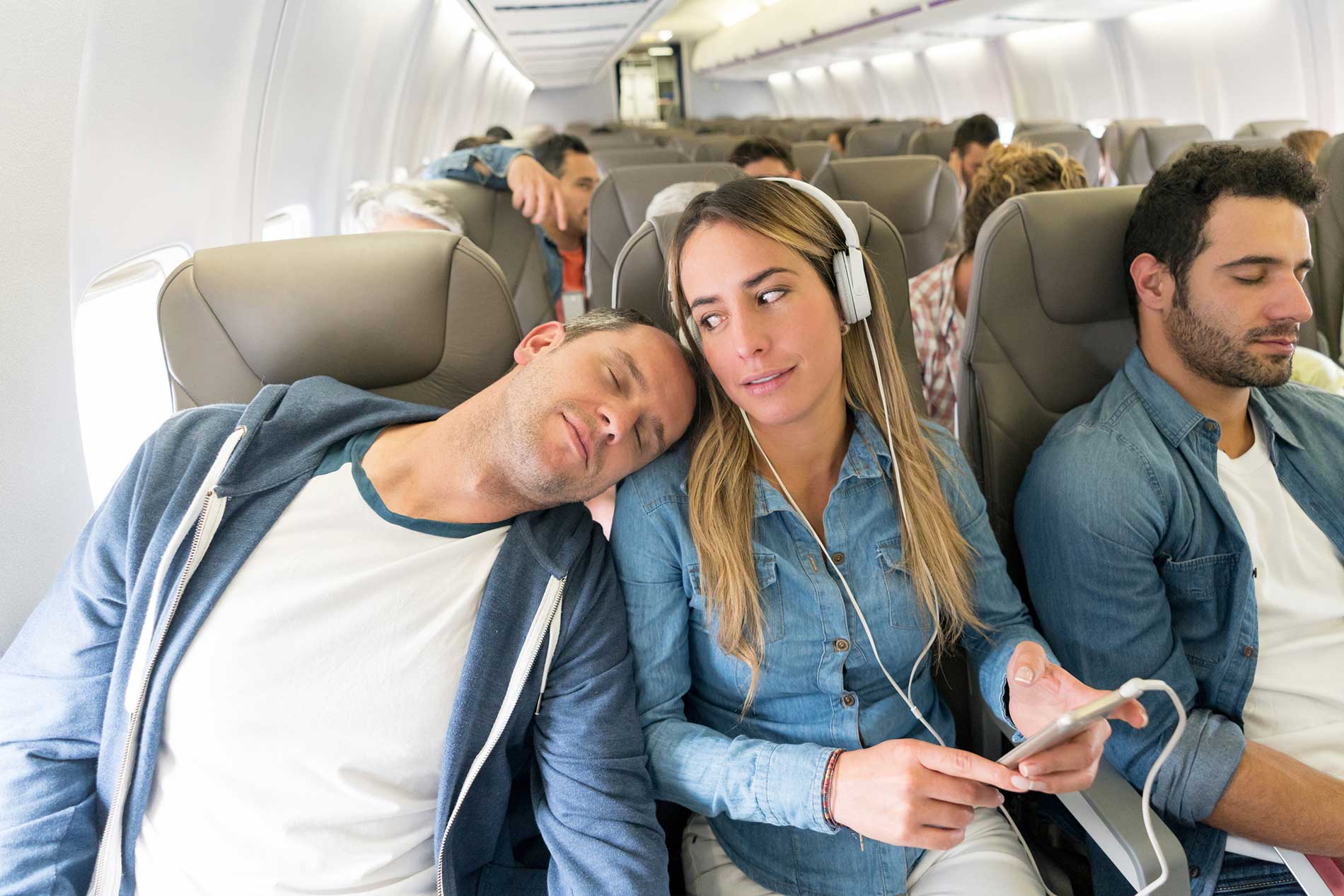
Ah, the long-haul flight. That glorious stretch of time where personal space becomes a luxury, your knees start questioning your life choices and you lose all sense of whether it's breakfast, dinner or an entirely new day. And if you're flying from Australia to Europe or the UK, you've got plenty of hours to contemplate all three.
But here's the good news. Surviving a long-haul flight doesn't have to involve counting down every painful minute until landing. With a little preparation, a few clever comfort tricks and the right mindset, you might even find yourself enjoying the journey. Yes, really!
So, whether you're jetting off on a European adventure, heading to New York or visiting family on the other side of the world, here's how to make those hours in the sky a whole lot more bearable.
A Fresh Perspective on Long-Distance Travel
Let's face it, spending hours squeezed into an aircraft cabin isn't everyone's idea of a good time. There's the battle for armrest territory, the mysterious timing of airline meals and that one passenger who somehow manages to sleep peacefully through absolutely everything.
But long-haul flights are also the beginning of something exciting. A long-awaited holiday, a family reunion or perhaps that bucket-list adventure you've been dreaming about for years.
The secret is to stop treating the flight as something you simply have to endure. With a few smart choices before boarding and some handy tricks once you're in the air, you can arrive feeling considerably more human and ready to enjoy your destination.
Pre-Flight Preparations
Essential Items to Pack
When you're facing 15 hours or more in the sky, your carry-on bag becomes your personal survival kit. And no, we're not talking about packing half your wardrobe into the overhead locker.
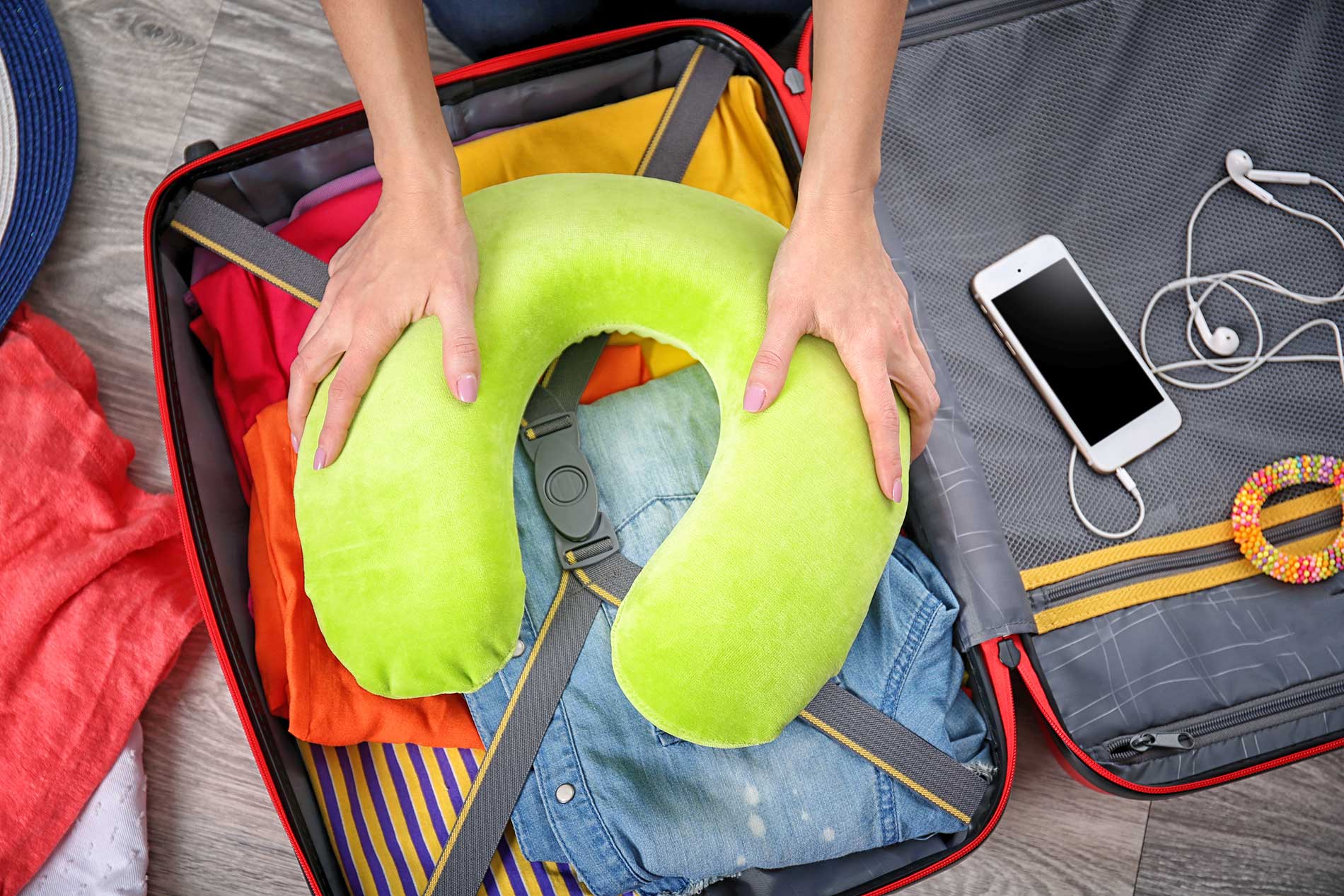
Noise-cancelling headphones, a supportive neck pillow, an eye mask and a cosy pair of socks can make a surprising difference. Throw in a good book, downloaded movies, a few favourite snacks and a refillable water bottle, and you've got the makings of a much more comfortable journey.
Don't forget essential medications, travel documents, charging cables and a change of clothes. Because if your checked suitcase decides to take an unexpected detour, at least you won't be wearing the same socks for three days.
Pro Tip: Keep your in-flight essentials in a small pouch under the seat in front of you, where permitted. Nobody wants to perform an overhead locker excavation every time they need lip balm.
Choosing the Right Seat
Window or aisle? It's one of aviation's great debates, right up there with whether airline coffee is actually coffee.
If you're hoping to catch some shut-eye, a window seat gives you something to lean against and saves you from being disturbed every time your neighbour needs the bathroom. Prefer the freedom to stretch your legs and wander around? An aisle seat might be your best friend.
For extra space, consider exit-row seats, bulkhead seats or extra-legroom options, although these may cost more and come with certain restrictions.
Pro Tip: Check your aircraft's seat map before booking. Our guide to choosing the perfect airline seat can help you avoid the dreaded middle-seat sandwich.
Comfort Measures
Dressing for a long-haul flight is all about comfort, not winning an airport fashion show. Although if you can manage both, more power to you.
Choose loose, breathable clothing and wear layers so you can adjust when the cabin temperature swings from tropical paradise to Arctic expedition. Comfortable shoes are also a must, especially if your feet tend to swell during long journeys. A lightweight jumper or scarf can double as an extra layer when the cabin gets chilly.
Pro Tip: Avoid anything too tight around your waist or legs. Your future self, several hours into the flight, will thank you.
Health Considerations Before You Fly
Long-haul flights aren't just a test of patience. Sitting still for extended periods can also affect circulation, and some travellers have a higher risk of developing deep vein thrombosis (DVT).
If you're pregnant, recovering from surgery, have a history of blood clots or have other medical concerns, speak with your healthcare professional before flying. They can advise whether you need any additional precautions. For most travellers, moving regularly, doing gentle seated exercises and avoiding prolonged immobility are sensible habits.
Pro Tip: If you're considering compression stockings, ask a healthcare professional whether they're appropriate for you and how to choose the right fit. They aren't a one-size-fits-all solution.
Maximising Comfort During the Flight
Strategies for Better Sleep
Sleeping on a plane can feel like trying to nap in a crowded shopping centre, except the chairs are smaller and someone keeps offering you orange juice. Still, a few clever tricks can help.
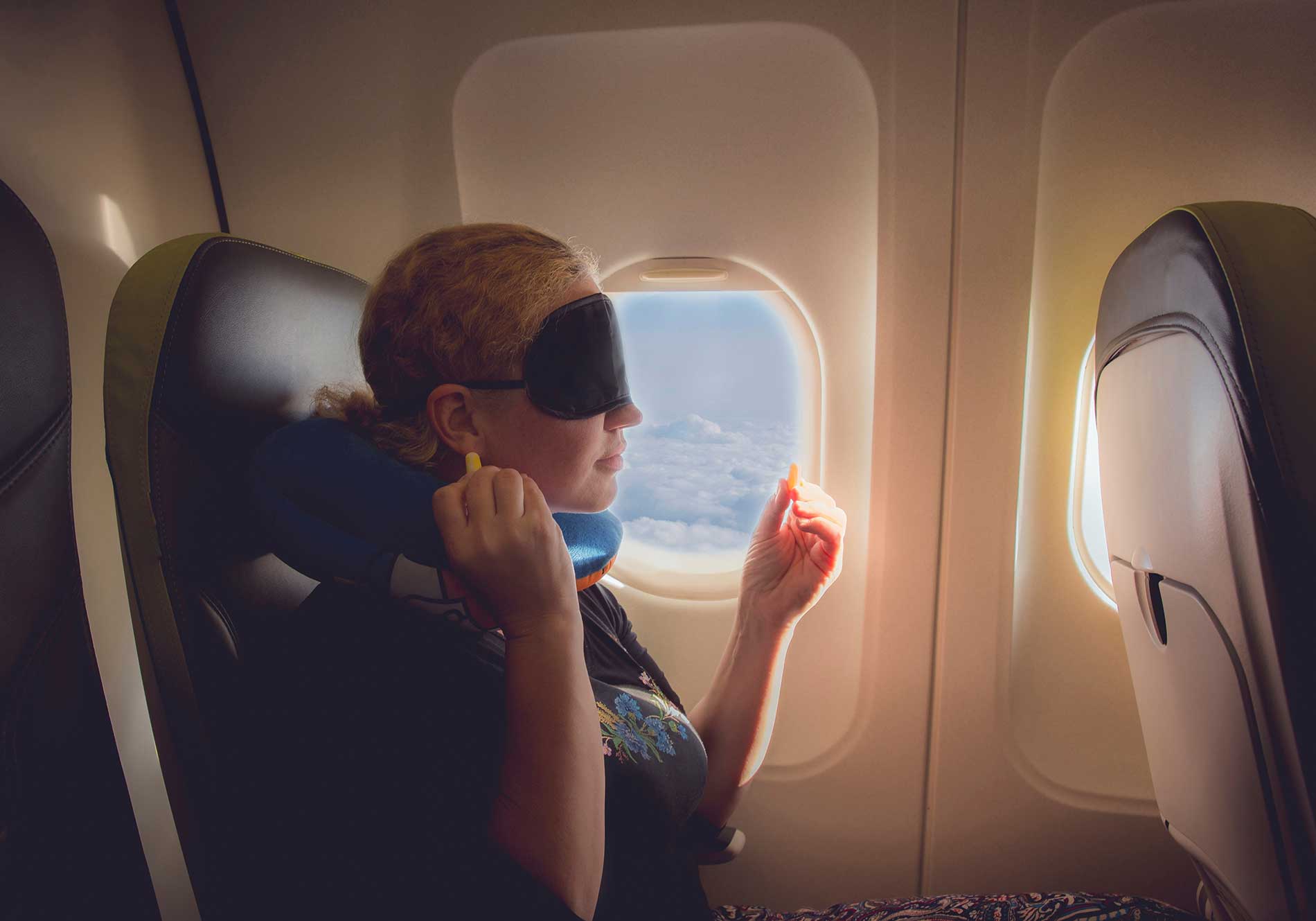
If you're crossing several time zones, try planning your sleep around the nighttime hours at your destination. An eye mask, neck pillow and noise-cancelling headphones can help create a little bubble of peace, even when the cabin lights are blazing. Avoid too much caffeine close to your intended sleep time, and dim your screens when you're winding down.
Pro Tip: Set your watch or phone to your destination's time zone once you're on board. It won't magically cure jet lag, but it can help you plan when to sleep and when to stay awake.
Staying Hydrated and Nourished
Aircraft cabins are notoriously dry, which explains why your lips can feel like sandpaper somewhere over the Indian Ocean.
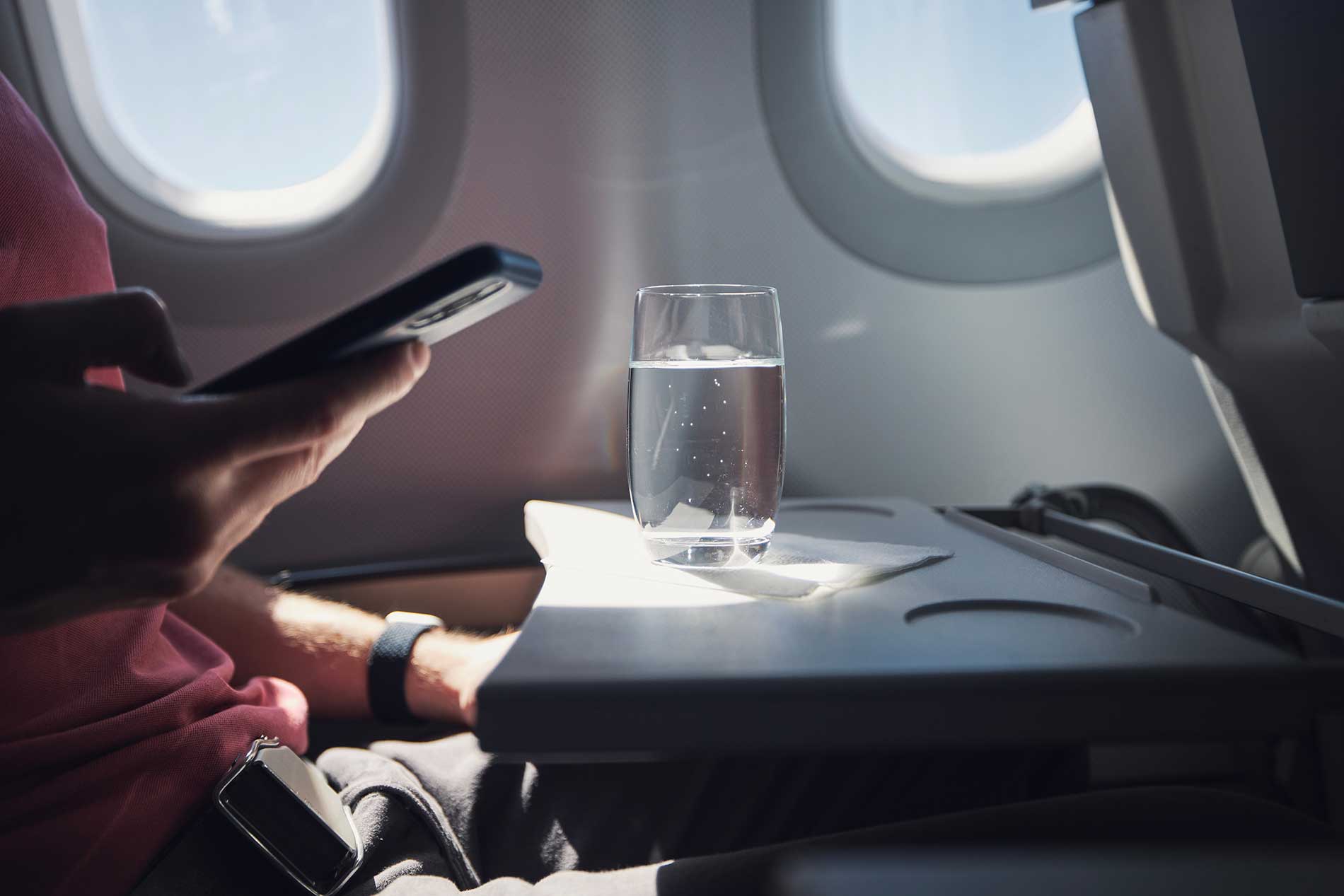
Keep water handy and drink regularly throughout the flight. There's no need to force down litres at once; simply pay attention to your thirst and avoid going hours without a drink. Coffee and tea can still contribute to your fluid intake, but too much caffeine may interfere with sleep. Alcohol can also make it harder to rest and may leave you feeling worse on arrival.
When it comes to food, choose meals and snacks that sit comfortably in your stomach. A long-haul flight probably isn't the ideal time to discover how your digestive system handles an enormous spicy feast.
Pro Tip: Bring an empty refillable water bottle through airport security and fill it once you're airside, where facilities are available. Your wallet will appreciate avoiding overpriced airport water.
Exercises to Keep Blood Flowing
After several hours in the same seat, your legs may start feeling like they've forgotten their purpose in life. The solution? Get moving when it's safe to do so.
Simple seated exercises such as ankle circles, heel raises and gentle knee lifts can help keep your legs moving. When the seatbelt sign is off and the aisle is clear, take occasional walks around the cabin. You don't need to turn the aircraft into your personal gym. A little movement throughout the flight is the goal.
Pro Tip: Set a gentle reminder to move your legs regularly, particularly when you're awake. Keep your seatbelt fastened while seated, and always follow cabin crew instructions.
Interacting with Others
There's a special kind of social etiquette that comes with sharing a tiny patch of sky with complete strangers. A friendly hello to your seatmate is lovely. A detailed account of your entire life story while they're trying to sleep? Perhaps save that for another occasion.
Be considerate when reclining your seat, using overhead lights or climbing past fellow passengers. And remember, headphones are often the universal signal for "I'm happily in my own little world."
Pro Tip: If you're travelling with someone who loves a chat but you're desperate for sleep, a gentle "I'm going to try to get some rest" usually does the trick. No dramatic escape plan required.
Travelling with Kids
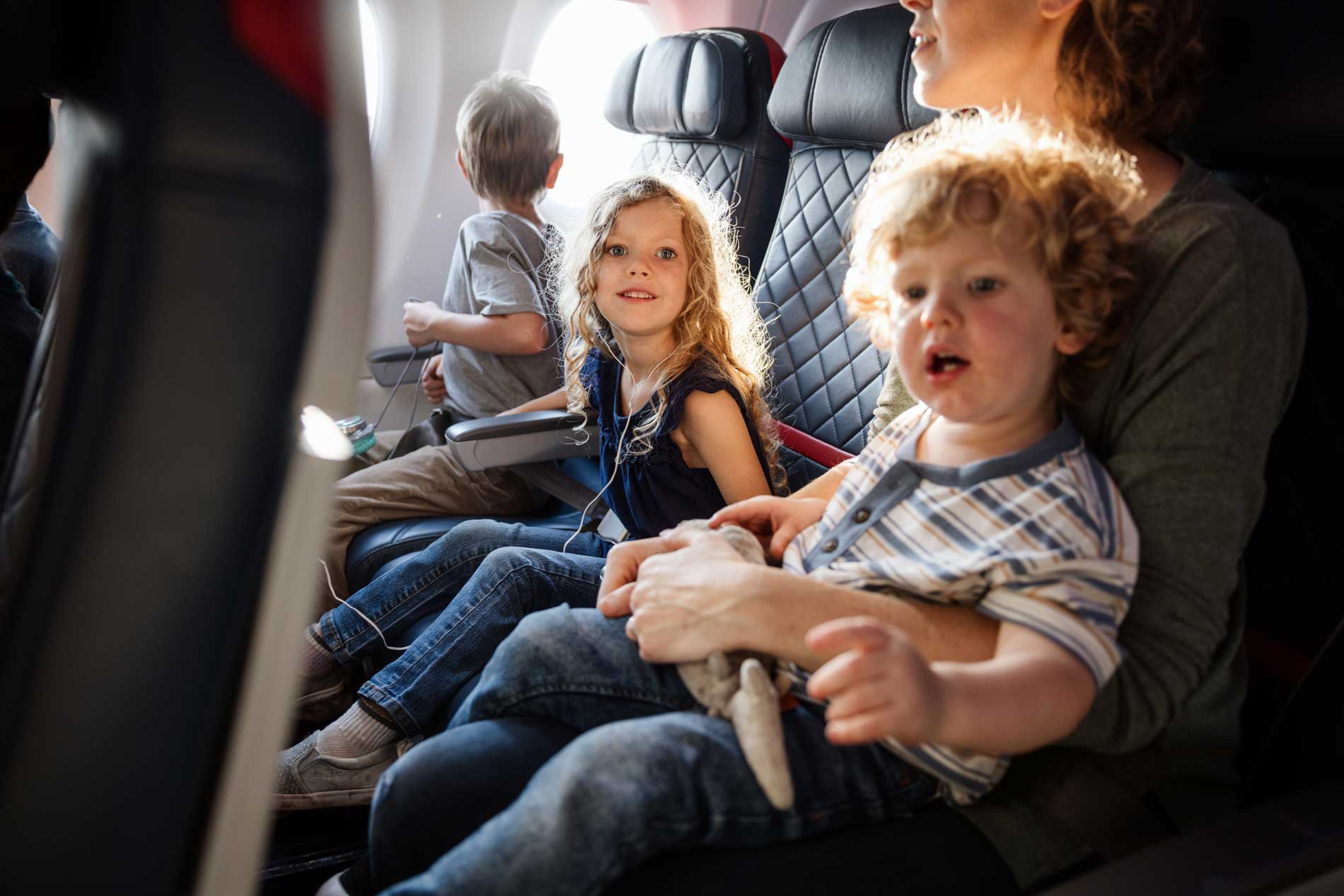
Long-haul flights with children can be an adventure all of their own. One minute everyone's happily watching cartoons, the next you're negotiating with a toddler over the emotional importance of a missing biscuit.
Pack a mixture of familiar favourites and a few surprises, such as colouring books, small toys, downloaded shows and age-appropriate games. Snacks can be particularly useful, especially when airline meal times don't match your child's usual routine. Bring any essential baby supplies and medications in your carry-on, along with more nappies and spare clothes than you think you'll need. For younger children, maintaining familiar bedtime routines where practical may help them settle.
Pro Tip: If you're travelling with a baby, ask the airline about bassinet availability and seating requirements well before departure. Bassinets are limited and usually subject to age, weight and other restrictions.
Entertainment and Productivity on Board
Best Gadgets and Apps for Travel
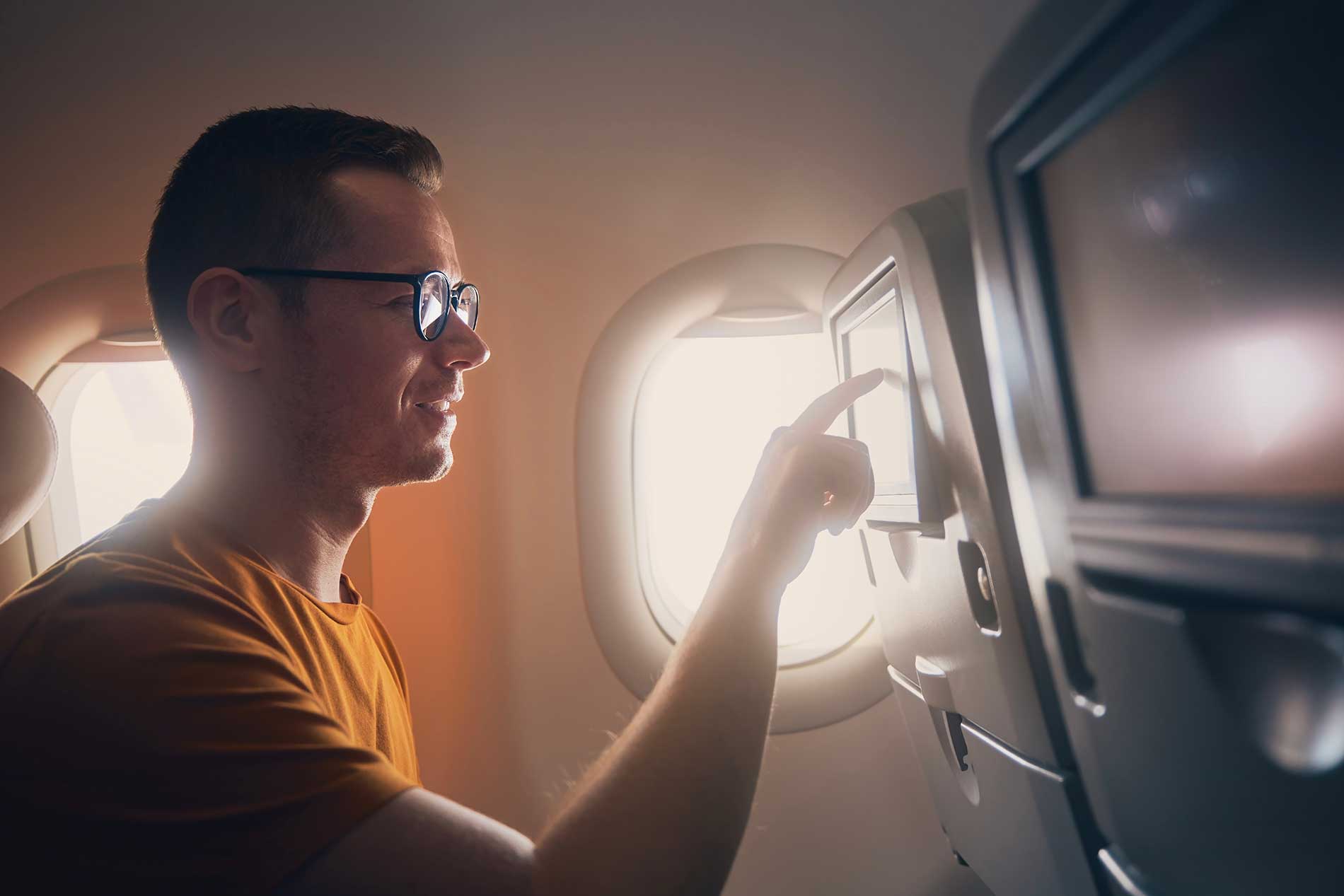
Long-haul flights are the perfect excuse to catch up on that movie you've been meaning to watch for six months. Or five movies. Nobody's judging.
Before leaving home, download your favourite shows, podcasts, audiobooks and e-books so you're not relying on in-flight Wi-Fi. A tablet or e-reader can be handy, while noise-cancelling headphones are worth their weight in gold when you're trying to escape cabin noise.
A portable power bank can also help keep your devices charged, but check your airline's current battery rules. Spare lithium batteries and power banks generally belong in carry-on baggage, and some airlines restrict their use during flights.
Pro Tip: Download everything before heading to the airport. Discovering your favourite series isn't available offline when you're halfway across the Pacific is a special kind of disappointment.
Creative Ways to Pass the Time
If you've exhausted the in-flight entertainment and still have seven hours to go, don't despair. There's more to life at 35,000 feet than staring at the flight map and willing the little aeroplane icon to move faster.
Start a travel journal, organise your holiday photos, learn a few phrases in your destination's language or plan which local delicacy you'll be trying first. You could even use the uninterrupted time to read that book that's been sitting on your bedside table since last Christmas.
And if all else fails, there's always the surprisingly addictive pastime of watching the moving map. Only 6,000 kilometres to go!
Pro Tip: Mix up your activities throughout the flight. Alternating between entertainment, rest and a little movement can make the journey feel less monotonous.
Dealing with Jet Lag and Post-Flight Recovery
Adjusting Your Body Clock Before and After the Flight
Jet lag. That delightful travel souvenir nobody actually wants. Crossing multiple time zones can leave your body clock thoroughly confused. You might find yourself wide awake at 3 am or desperately craving breakfast when everyone else is sitting down to dinner.
If possible, start shifting your bedtime and wake-up time a little closer to your destination's schedule in the days before departure. Once you arrive, getting natural daylight at appropriate local times can help your body adjust. Try to follow the local meal and sleep schedule, but don't expect your body to switch time zones as effortlessly as your phone.
Pro Tip: If you're struggling with jet lag, avoid relying on sleeping tablets or melatonin without professional advice. The timing and suitability of sleep aids matter, particularly if you're taking other medications.
Recovery Tips Post-Flight
Congratulations! You've survived the marathon flight, navigated immigration and hopefully reunited with your suitcase. Now comes the final challenge: feeling human again.
Give yourself a little breathing room after arrival, especially if you've crossed several time zones. A gentle walk, some fresh air and a decent meal can help you settle in. Stay hydrated and try to align your sleep with the local schedule rather than immediately disappearing beneath the hotel doona for the next 14 hours. If you're absolutely exhausted, a short nap may help, but a lengthy daytime sleep can make adjusting to the new time zone harder.
Pro Tip: Where possible, avoid scheduling an action-packed itinerary immediately after a long international journey. Your first day doesn't need to involve climbing a mountain, visiting six museums and conquering the entire local food scene.
Final Thoughts: Long-Haul Flights Don't Have to Be Long-Haul Suffering
Let's face it, spending half a day or more in an aeroplane isn't everyone's idea of paradise. But with a little planning, some clever comfort essentials and a healthy sense of humour, even the longest journey can become a whole lot more enjoyable.
Choose your seat wisely, pack your carry-on like a seasoned traveller and remember to move, hydrate and give yourself time to adjust. And if all else fails, there's always another movie, another snack and the comforting thought that every passing hour brings you closer to your holiday.
Ready to get your next adventure off the ground? Search for flights on the iFly website or call 1800 242 373 to chat with our expert travel agents. We can help you explore flight options, connections and travel arrangements for your next long-haul getaway.
Safe travels, and may your next long-haul flight come with a comfortable seat, a quiet neighbour and an armrest you don't have to fight for!
Long-Haul Flight FAQs: What Travellers Ask Most
That depends on your flying style! Window seats are great for sleepers who love something to lean against, while aisle seats give you easier access to the bathroom and more freedom to move around. If extra legroom is your priority, consider exit-row or extra-legroom seats, although these may come with additional fees and restrictions. The perfect seat is the one that keeps you comfortable for the long journey ahead.
Think of your carry-on as your personal in-flight survival kit. Pack a neck pillow, eye mask, headphones, charging cables, essential medications, travel documents and a few favourite snacks. A change of clothes, basic toiletries and a refillable water bottle are also handy. And don't forget to download your entertainment before boarding. Nobody wants to be stuck with 12 hours of nothing but the safety card for company!
Keep water handy and drink regularly throughout your journey. Aircraft cabins have low humidity, so lip balm and moisturiser can help with that dreaded dry-skin feeling. Wear loose, comfortable clothing, avoid excessive alcohol and take occasional opportunities to stretch your legs. A few small comforts can make a surprisingly big difference when you're spending hours in the same seat.
An eye mask, supportive neck pillow and noise-cancelling headphones can help turn your seat into a reasonably cosy little sleeping nook. Try to time your rest around the nighttime hours at your destination, dim your screens and avoid too much caffeine before sleeping. And if you can't drift off, don't stress. Quiet rest is still better than spending the entire flight watching the clock.
Absolutely! Simple movements like ankle circles, heel raises, gentle knee lifts and shoulder rolls can help reduce stiffness during a long flight. When it's safe and the seatbelt sign is off, take occasional walks around the cabin. You don't need to launch into a full yoga routine in the aisle. Your fellow passengers will probably appreciate that.
While there's no guaranteed way to avoid jet lag completely, you can make the adjustment easier. Try gradually shifting your sleep schedule before departure, plan your in-flight rest around your destination's time zone and get natural daylight at suitable times after arrival. Staying hydrated and following local meal and sleep times can also help. Give yourself a little time to adjust, especially after crossing several time zones.
Choose snacks that are easy to pack, satisfying and unlikely to cause a mid-flight stomach rebellion. Nuts, crackers, muesli bars, dried fruit and simple sandwiches can all be handy options, depending on your dietary needs. Fresh fruit and other perishables may be subject to restrictions at your destination, so finish or dispose of them before entering countries with strict biosecurity rules, including Australia. Nobody wants their holiday souvenir to be a fine for an undeclared apple!