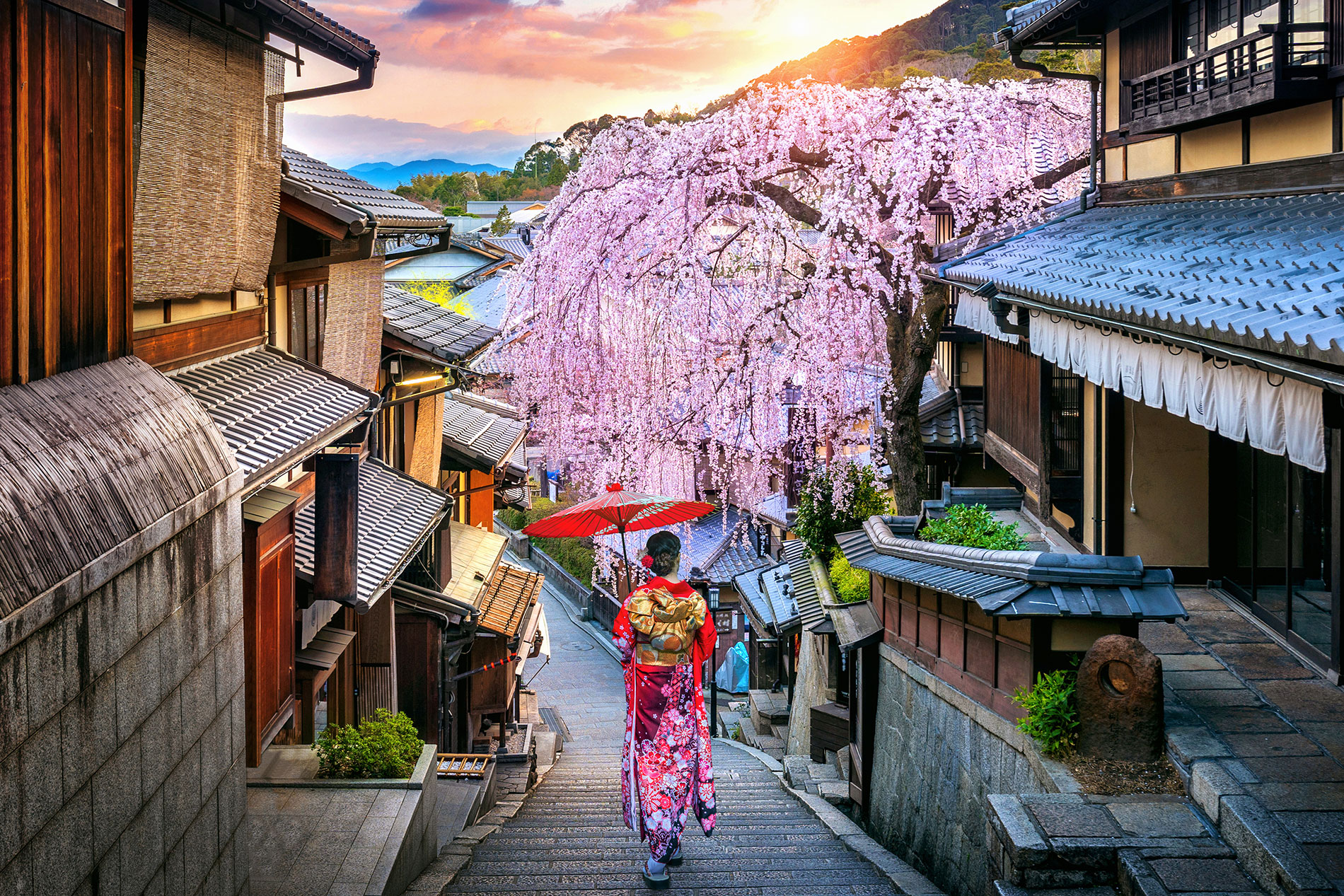
Japan has a habit of making first-time visitors want to come back.
You might arrive with Tokyo, sushi and cherry blossoms on your list, then leave thinking about the tiny ramen shop you stumbled across, the mountain town you nearly skipped, or just how satisfying it was watching a Shinkansen pull into the station exactly when it was supposed to.
For Australians, Japan is also refreshingly accessible. You can fly there without losing half your holiday to travel, there's plenty to see whether you have seven days or three weeks, and each season gives you a different reason to visit.
The tricky bit isn't deciding whether Japan is worth visiting. It's figuring out what to fit into your trip.
This guide covers the essentials for Australian travellers, including the best time to visit Japan, where to go, how long to stay, getting around, costs and a few things worth knowing before you fly.
Japan at a Glance
| Planning your trip | What to know |
|---|---|
| Best time to visit | Spring and autumn are popular for comfortable weather, while winter is brilliant for snow and skiing |
| Good first-trip length | Around 10 to 14 days |
| Currency | Japanese yen (JPY) |
| Popular first-trip destinations | Tokyo, Kyoto and Osaka |
| Main international airports | Tokyo Haneda, Tokyo Narita and Osaka Kansai |
| Getting around | Trains, Shinkansen, metro, buses and domestic flights |
| Language | Japanese |
| Time difference | Small enough that jet lag is generally much easier than travelling to Europe or North America |
Why Visit Japan?
Japan is one of those destinations that can suit completely different travellers without feeling like it's trying to.
You can spend your morning walking through the grounds of a centuries-old temple in Kyoto, eat lunch at a tiny noodle counter, then be surrounded by neon, arcades and late-night bars in Osaka a few hours later.
Food is obviously part of the attraction. And yes, the sushi can be exceptional. But limiting Japan to sushi misses half the fun. Ramen, yakitori, tempura, udon, okonomiyaki, tonkatsu and regional dishes can turn even an ordinary travel day into something memorable.
Then there's the sheer variety. Tokyo delivers the big-city energy. Kyoto brings temples, gardens and traditional streets. Osaka is lively, friendly and wonderfully food-obsessed. Head further out and you'll find mountain villages, tropical islands, ski resorts, volcanic scenery and hot springs.
That's why trying to "do Japan" in one trip doesn't really work. Better idea? Pick a few places and enjoy them properly.
When Is the Best Time to Visit Japan?
Ask five people for the best time to visit Japan and you'll probably get five slightly different answers. That's because there isn't one perfect season. The right time depends on what you want from the trip.
| Season | Weather & highlights | Keep in mind |
|---|---|---|
| Spring (Mar–May) | Mild weather and cherry blossoms | Blossom timing varies; busy and pricier, especially Golden Week |
| Summer (Jun–Aug) | Festivals and long days | Hot, humid and rainy; typhoons possible later in the season |
| Autumn (Sep–Nov) | Comfortable weather and autumn foliage | Popular foliage spots can get busy |
| Winter (Dec–Feb) | Snow, skiing and onsen season | Cold in the cities; quieter outside holiday periods |
Visiting Japan in Spring
Spring, roughly March to May, is one of Japan's most sought-after travel periods.
Cherry blossom season gets most of the attention, and understandably so. Parks, riversides and temple grounds can look spectacular when the sakura are blooming.
There's a catch, though. Blossoms don't work to a traveller's itinerary. Blooming dates vary by location and year, so booking a trip purely around seeing peak cherry blossoms can involve some luck. Popular destinations can also become extremely busy.
If blossoms aren't essential, travelling just outside the busiest periods can make for a more relaxed trip while still giving you pleasant spring weather.
Visiting Japan in Summer
June through August brings warmer weather, humidity and, depending on where and when you're travelling, plenty of rain.
Does that mean you should avoid summer? Not necessarily. Summer is festival season in many parts of Japan, and it's a lively time to experience the country. It's also worth remembering that Japan stretches a long way from north to south. Conditions in Hokkaido can be very different from those in Tokyo or Osaka.
If you struggle with humidity, however, don't underestimate it. Long sightseeing days can feel considerably harder in the middle of summer.
Visiting Japan in Autumn
September through November can be a fantastic window for sightseeing.
As temperatures settle, exploring cities becomes more comfortable, and autumn foliage gradually moves through different parts of the country.
Kyoto's temples and gardens are especially beautiful when the leaves change, although popular foliage spots can become busy.
For travellers who want good walking weather without building their entire holiday around cherry blossom season, autumn deserves serious consideration.
Visiting Japan in Winter
Winter changes the character of Japan completely.
If skiing or snowboarding is part of the plan, areas such as Hokkaido and Nagano are obvious contenders. Japan's combination of deep snow, mountain scenery and onsen culture makes winter a trip in its own right.
Even if you don't ski, winter has its perks. Some cities can feel less crowded outside holiday periods, and there are few things better than sinking into a hot onsen when it's freezing outside.
Best Places to Visit in Japan
Your biggest first-trip mistake would probably be trying to squeeze too many destinations into too little time.
Japan's transport system makes moving around relatively straightforward, but changing hotels every night or two still eats into your holiday. For a first visit, choose a handful of places that offer different experiences.
| Destination | Great for | Suggested stay |
|---|---|---|
| Tokyo | Big-city energy, food, shopping and day trips | 3–4 nights |
| Kyoto | Temples, gardens and traditional streets | 2–3 nights |
| Osaka | Street food, nightlife and a friendly vibe | 1–2 nights |
| Mount Fuji & Hakone | Mountain scenery, hot springs and ryokan stays | 1–2 nights |
| Hiroshima & Miyajima | History and the famous floating torii gate | 1–2 nights |
| Hokkaido | Skiing in winter; hiking and nature in summer | 3+ nights |
| Okinawa | Beaches, diving and subtropical island culture | 3+ nights |
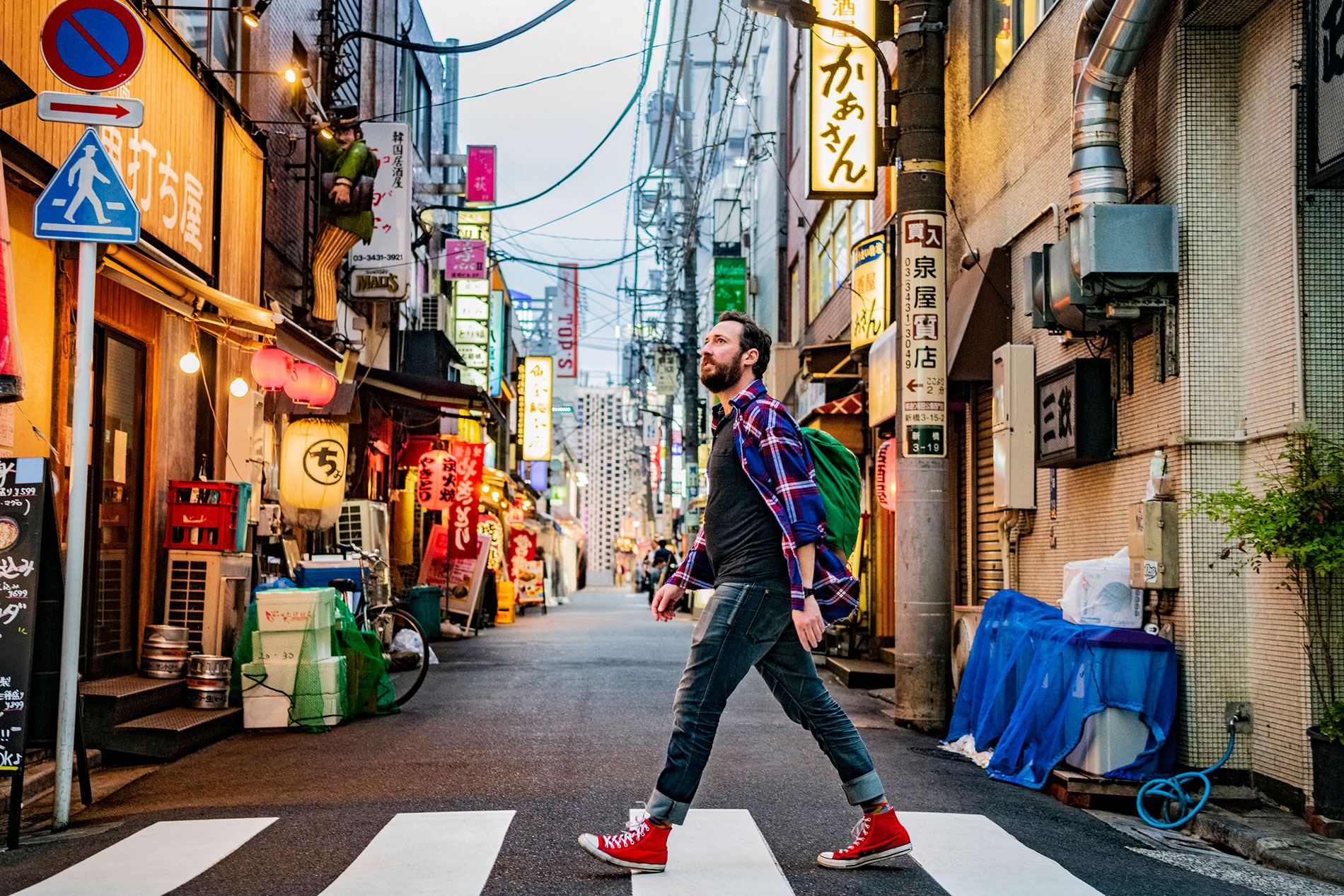
Tokyo
Tokyo is enormous, but that's part of the appeal. Shibuya and Shinjuku deliver the bright lights and big-city atmosphere many travellers imagine before arriving. Asakusa offers a more traditional feel around Senso-ji, while neighbourhoods such as Kichijoji, Shimokitazawa and Koenji reveal a more local side of the city. Don't try to see all of Tokyo. Choose a few neighbourhoods each day, leave room for wandering and accept that you'll miss things. That's practically a requirement. Most flights from Australia land here too, so it's the natural place to begin — have a look at flights to Tokyo from Australia.
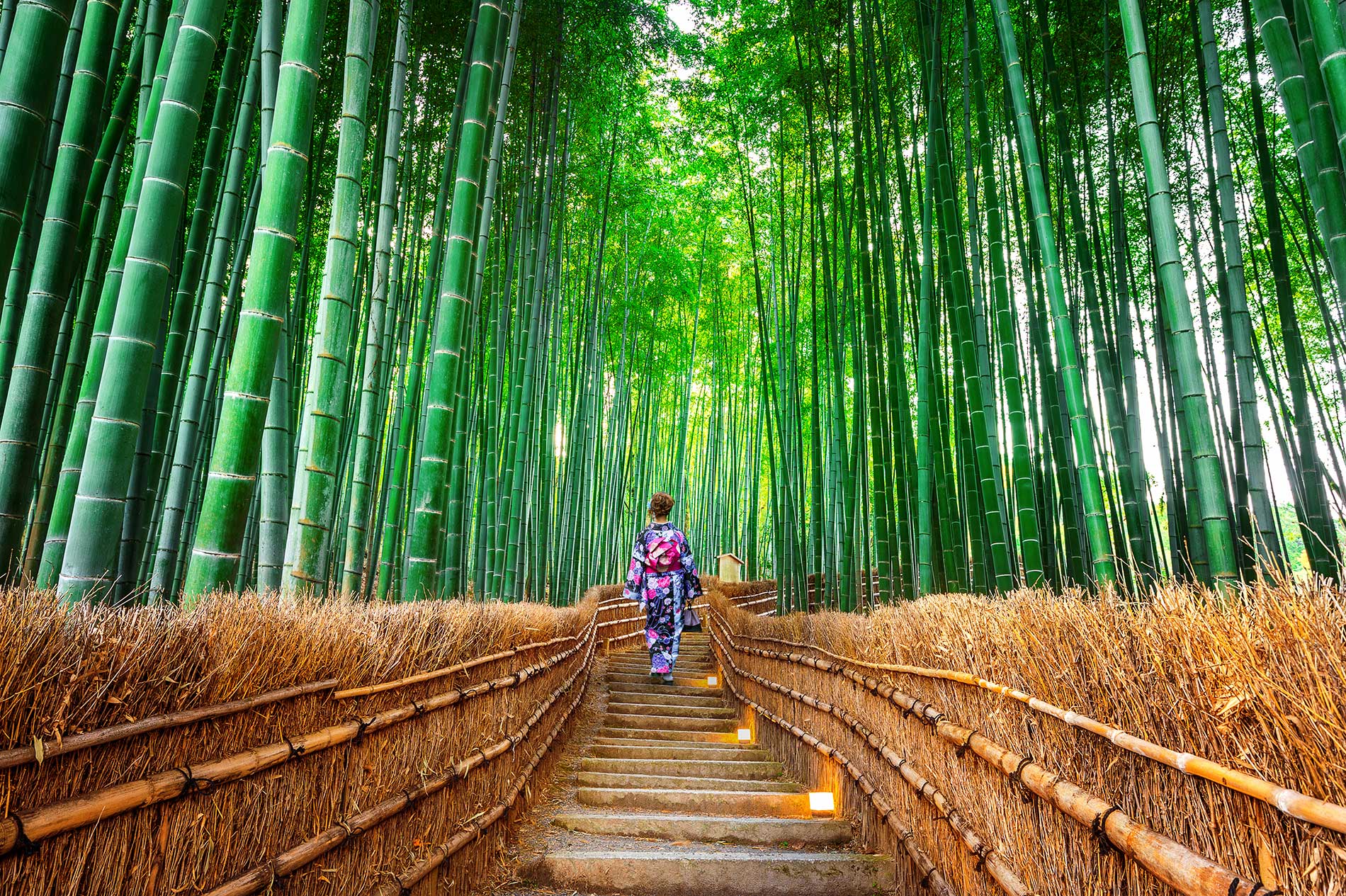
Kyoto
If Tokyo shows you Japan moving at full speed, Kyoto provides a very different rhythm. The city is known for temples, shrines, gardens, traditional neighbourhoods and historic streets. Fushimi Inari's torii gates and Kiyomizu-dera are famous for good reason, but some of Kyoto's best moments happen away from the busiest sights. An early start is worthwhile here. Give Kyoto at least two or three nights if your itinerary allows.
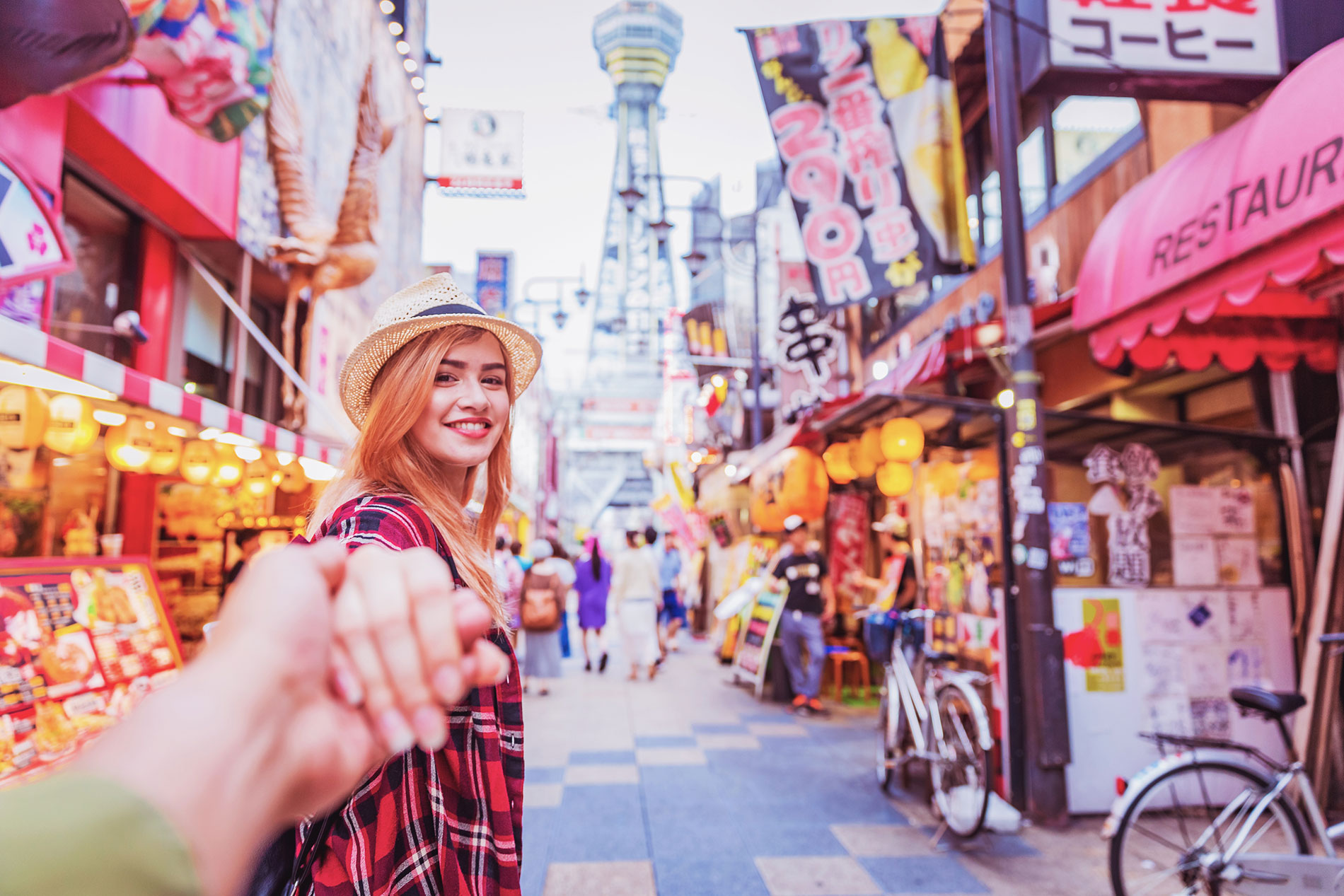
Osaka
Osaka doesn't always have Kyoto's postcard beauty or Tokyo's scale. It doesn't need either. Dotonbori is loud, bright and packed with places to eat. Osaka Castle provides the history fix, while neighbourhoods beyond the main tourist areas reward travellers willing to explore. Takoyaki and okonomiyaki are two obvious dishes to try, but half the pleasure is simply following your nose into somewhere busy. If you'd rather start your trip in the west, it's also an easy entry point — compare flights to Osaka from Australia.
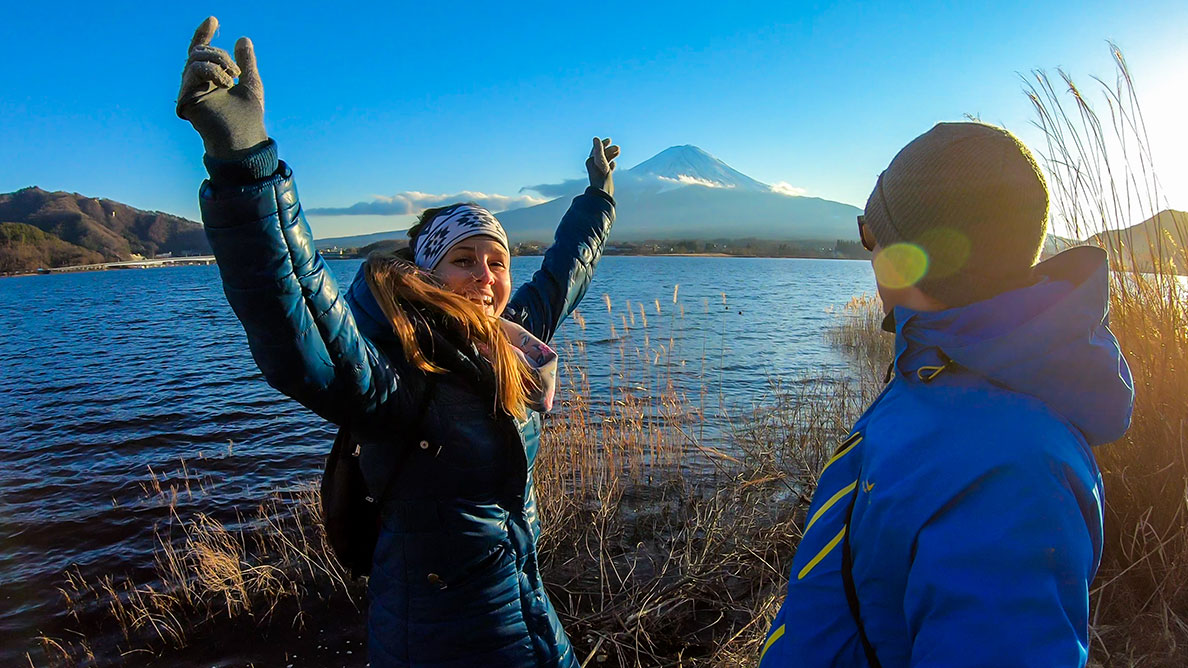
Mount Fuji and Hakone
Want to slow the trip down between major cities? Hakone is a popular option for mountain scenery, hot springs and, when the weather cooperates, views of Mount Fuji. Staying overnight at a ryokan can be a welcome change after several days in Tokyo. Just remember that Mount Fuji isn't contractually obliged to appear because you've booked a hotel with a view. Clouds happen.
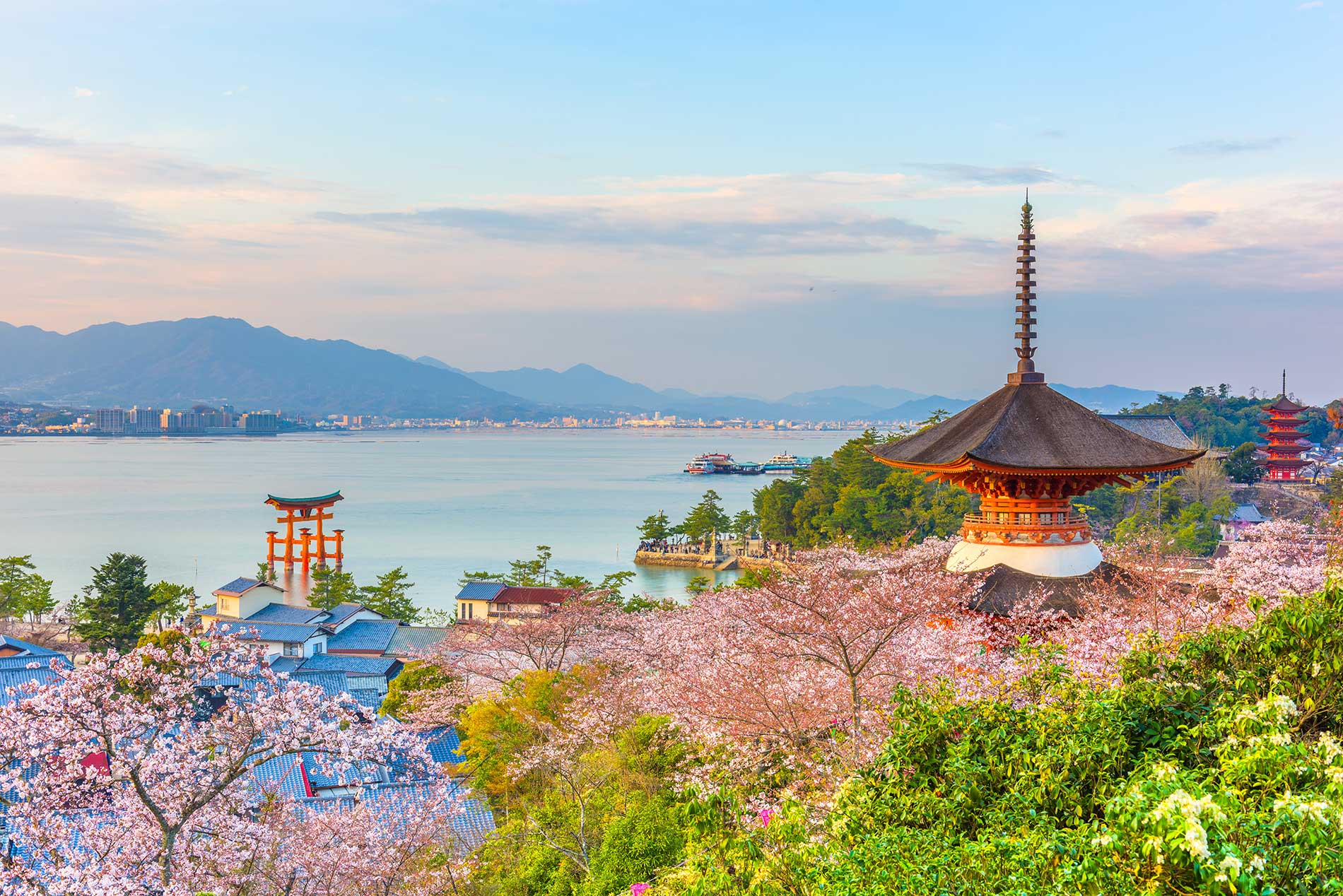
Hiroshima and Miyajima
Hiroshima is worth more than a rushed day trip. The Hiroshima Peace Memorial Park and museum provide important historical context, while nearby Miyajima offers one of Japan's most recognisable scenes at Itsukushima Shrine. Together, they fit particularly well into longer itineraries continuing west after Kyoto or Osaka.
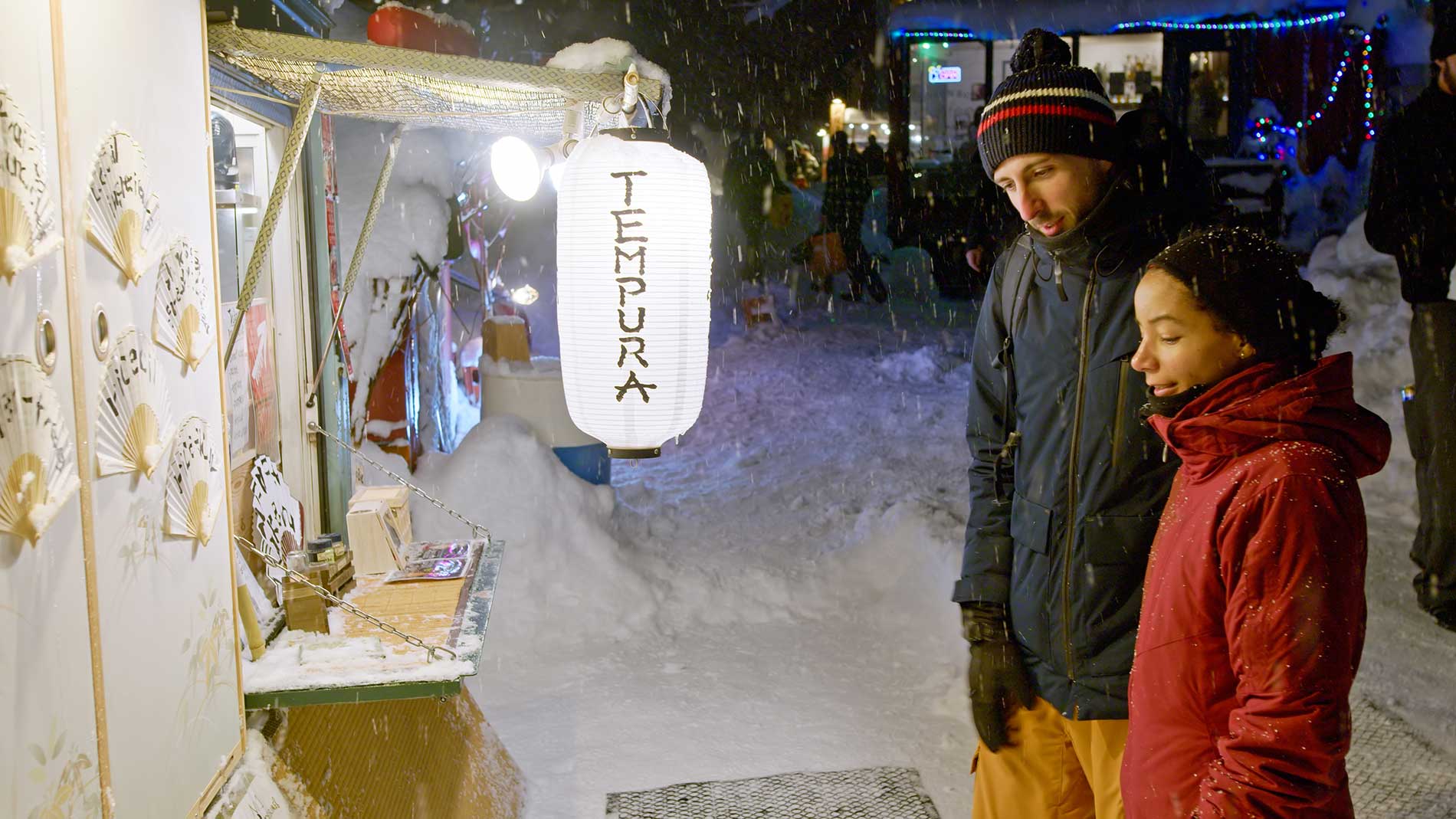
Hokkaido
Hokkaido gives you a completely different version of Japan. Winter brings internationally known ski areas and serious snowfall. Outside winter, the island draws travellers for hiking, national parks, flowers, seafood and wide-open scenery.
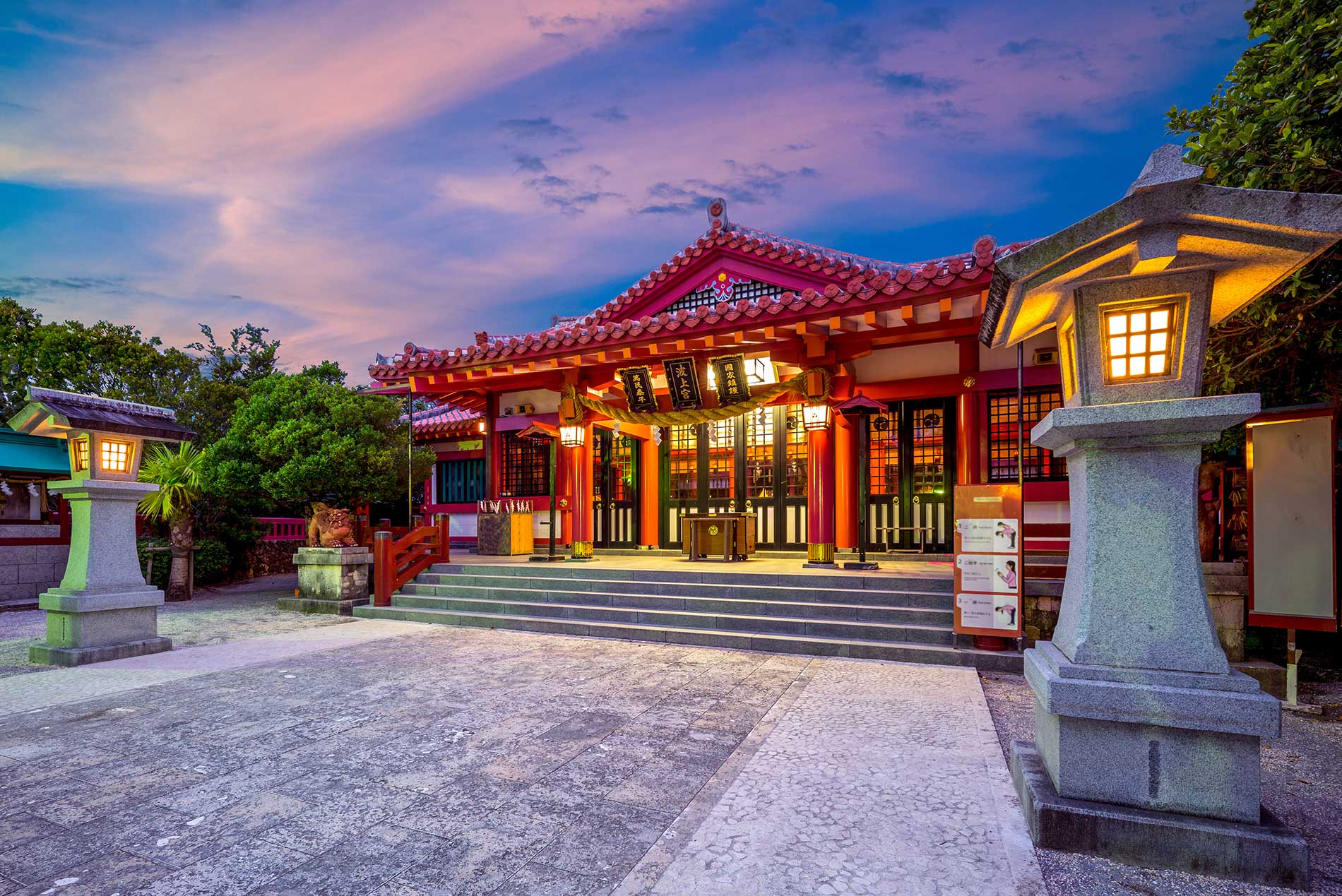
Okinawa
Japan isn't all temples, skyscrapers and snow. Okinawa's subtropical islands offer beaches, diving, snorkelling and a distinctive local culture. It's geographically removed from the classic Tokyo-Kyoto-Osaka route, so it generally makes more sense as the focus of a longer holiday or a separate trip.
How Long Should You Spend in Japan?
You could spend a month in Japan and still come home with a list of things you didn't manage to see.
For a first visit, 10 to 14 days is a comfortable starting point. That gives you enough time to experience several places without turning the holiday into a race between railway stations.
| Trip length | Suggested route |
|---|---|
| 7 days | Tokyo → Kyoto → Osaka |
| 10 days | Tokyo → Hakone / Mount Fuji → Kyoto → Osaka |
| 14 days | Tokyo → Hakone → Kyoto → Osaka → Hiroshima & Miyajima |
7 Days in Japan
With one week, keep things simple: Tokyo → Kyoto → Osaka. Trying to add Hiroshima, Mount Fuji and several day trips into the same week will probably make the trip feel rushed.
10 Days in Japan
Ten days gives you much more breathing room. Try Tokyo → Hakone or Mount Fuji area → Kyoto → Osaka. This introduces a quieter stop between the major cities.
14 Days in Japan
Two weeks opens things up nicely. A classic route could be Tokyo → Hakone → Kyoto → Osaka → Hiroshima and Miyajima. Remember, an itinerary isn't better because it contains more pins on Google Maps.
Flying to Japan From Australia
One of Japan's advantages for Aussie travellers is that getting there doesn't require the marathon journey involved in reaching Europe.
Flight options change by season and departure city, so compare both direct and connecting services rather than assuming the cheapest fare is automatically the best option.
A connection that saves $80 but adds eight hours to the journey might look considerably less attractive when you're sitting at an airport at 2 am.
Which Airport Should You Fly Into?
For Tokyo, the two major airports are Haneda Airport (HND) and Narita International Airport (NRT). Haneda is much closer to central Tokyo. Narita sits farther from the city but handles plenty of international traffic and has several transport options into Tokyo.
If you're starting your holiday around Osaka or Kyoto, Kansai International Airport (KIX) may make more sense.
| Airport | Best for | Getting to the city |
|---|---|---|
| Tokyo Haneda (HND) | Fastest access to central Tokyo | Roughly 30–45 minutes to the city |
| Tokyo Narita (NRT) | Plenty of flights; sits further out | Roughly 60–90 minutes to central Tokyo |
| Osaka Kansai (KIX) | Starting in Osaka, Kyoto or the west | Serves the wider Kansai region |
Here's another option people overlook: you don't necessarily have to fly in and out of the same city. Flying into Tokyo and home from Osaka, for example, can save you from travelling all the way back across the country at the end of your trip.
Ready to start planning? You can compare flights from Australia to Japan and check which arrival city works best for your itinerary.
How to Get Around Japan
Shinkansen
Japan's bullet trains connect many major cities and make routes such as Tokyo to Kyoto straightforward. They're fast, comfortable and part of the Japan experience in their own right. For popular services or busy travel periods, reserving seats ahead can make the journey less stressful.
Local Trains and IC Cards
In cities, you'll probably spend plenty of time using trains and metro services. Rechargeable IC cards can simplify local travel because you don't need to buy an individual ticket every time you hop onto participating transport.
Is the Japan Rail Pass Worth It?
Don't automatically buy a Japan Rail Pass because somebody told you it's essential. Whether it saves money depends on your route and how much long-distance rail travel you're actually doing. Price your major journeys individually, compare the total with the relevant pass, then decide.
Domestic Flights
Japan is bigger than it looks on a map. If you're travelling to somewhere much farther away, such as Hokkaido or Okinawa, flying can save a considerable amount of time.
Luggage Forwarding
Here's a Japan travel tip that doesn't get enough attention: consider sending larger bags ahead. Luggage-forwarding services can transport suitcases between supported locations, which means you don't necessarily have to drag a giant case through crowded stations. Pack an overnight bag, send the suitcase ahead and travel lighter.
How Much Does It Cost to Visit Japan?
Japan can be expensive, but it doesn't have to be an extravagant holiday.
Accommodation will usually be one of your biggest expenses, particularly in popular cities and during high-demand periods. Booking earlier can help when travelling during cherry blossom season, autumn foliage periods, major holidays or ski season.
Food is where Japan can surprise you. You can spend serious money on high-end sushi or kaiseki, but you can also eat extremely well without going anywhere near fine-dining prices. Ramen shops, curry restaurants, noodle counters, bakeries and casual izakayas give budget-conscious travellers plenty of choice.
As a rough guide — and exchange rates and prices move, so treat this as indicative only (correct as of October 2026) — many travellers budget somewhere around A$200 to $300 a day per person for comfortable mid-range travel once they're on the ground, less if you're travelling on a budget and more for premium stays. The good news for Australians is that the dollar has been strong against the yen recently, so your money has been stretching further than it has in years.
When planning your budget, allow for return flights, accommodation, intercity transport, local trains and buses, food and drinks, attractions, travel insurance, shopping and a little spare money for the things you didn't know you'd want until you arrived.
And yes, Japan has a remarkable ability to make people suddenly interested in buying stationery.
Essential Japan Travel Tips for Australians
Check Entry Requirements Before You Fly
Entry and visa requirements can change, so don't rely on an old blog article or something somebody posted on social media two years ago. Before travelling, check current Japanese entry requirements and the Australian Government's Smartraveller advice for Japan.
Don't Assume Japan Is Cashless
Card payments are widespread, particularly in cities, but having some Japanese yen available is still useful. A mixture of payment options gives you some backup.
Get Connected
Having mobile data makes travelling around Japan much easier. You'll use it constantly for maps, train directions, opening hours, translations and finding the restaurant you saved three months ago and then completely forgot the name of.
Learn a Few Japanese Phrases
You don't need fluent Japanese to enjoy a holiday in Japan. Still, learning a handful of phrases goes a long way. Simple greetings, "thank you" and "excuse me" can make everyday interactions easier.
Respect Local Etiquette
Japanese etiquette can feel complicated from the outside, but tourists aren't expected to know every social rule. Pay attention to what people around you are doing. Keep your voice down on public transport, queue properly and follow instructions at temples, onsens and accommodation.
Give Yourself Some Unplanned Time
Don't schedule every hour. Leave an afternoon open in Tokyo. Wander around Kyoto without rushing to the next temple. Stay for another drink in Osaka because you've found somewhere you like. Japan rewards curiosity. Some of the places you remember most won't be the ones that were on your itinerary.
Japan Travel FAQs
For a first trip, around 10 to 14 days gives you enough time to combine Tokyo with Kyoto, Osaka and one or two additional destinations without constantly moving. Seven days can still work well, but it's better to focus on fewer places.
It depends heavily on your travel style and when you visit. Accommodation, long-distance transport and major attractions can push costs up, while casual meals and local transport can be reasonably manageable.
There isn't one best month for everybody. Spring is popular for cherry blossoms, autumn attracts travellers for cooler weather and foliage, while winter suits skiers and snow lovers.
Yes, provided you don't try to see everything. Concentrate on Tokyo plus Kyoto and/or Osaka rather than attempting to cross half the country.
Direct flights from Australia's east coast to Tokyo take roughly 9 to 10 hours — far shorter than the haul to Europe or North America, which is part of what makes Japan such an easy overseas trip.
Visa and entry arrangements can change. Check current requirements through official Japanese authorities and Australian Government travel advice before booking and again before departure.
Sometimes. Calculate the cost of the individual long-distance journeys you're planning and compare that with the current pass price before purchasing.
Yes. Major transport systems have extensive signage, and translation and mapping apps make independent travel considerably easier. Learning a few basic Japanese phrases is still worthwhile.
Either works. If you're visiting both, consider flight prices and your overall route. Flying into Tokyo and departing from Osaka, or doing the reverse, can reduce unnecessary backtracking.
Start Planning Your Japan Trip
Your first Japan itinerary doesn't need to include everything. Actually, it shouldn't.
Choose the experiences you care about most. Give yourself enough time to enjoy each place. Leave a little space for the unexpected ramen shop, quiet side street or day trip you only hear about after you arrive.
Because that's usually how Japan gets you.
You go once thinking you're going to see the country. You come home planning what you'll see next time.
Need a Hand Planning Your Japan Trip?
Not sure where to start, how long to spend in each city or which route makes the most sense? Talk to the iFly team. We can help you work through the details and put together a Japan trip that fits the way you want to travel.