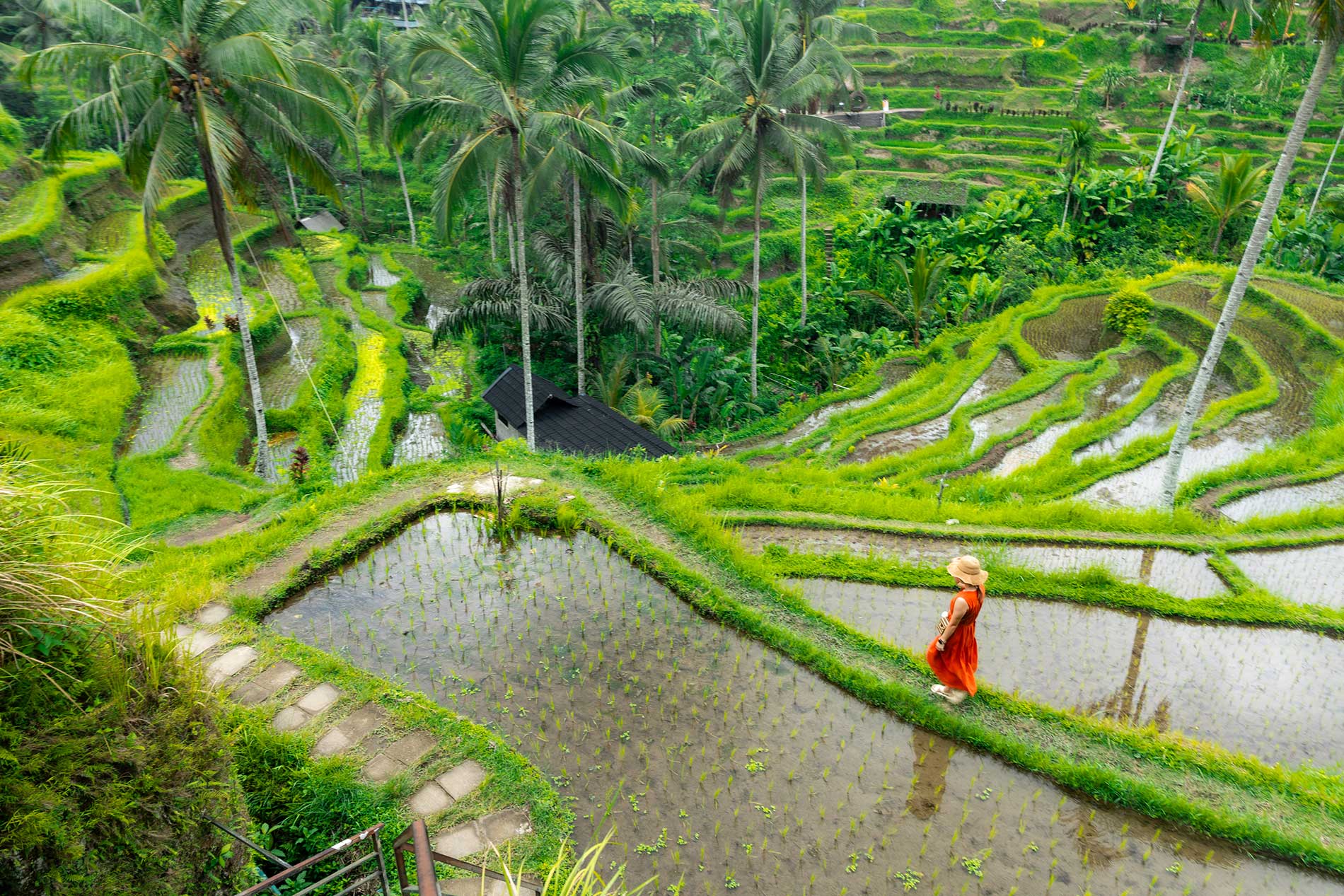
Bali has been a favourite with Australian holidaymakers for decades, and it's not hard to understand why. Beautiful beaches, fantastic food, welcoming locals and accommodation that ranges from affordable guesthouses to incredible private villas. Whether you're after a relaxing week by the pool or something a little more adventurous, Bali gives you plenty to work with.
But there's a lot more to the island than the familiar holiday spots around Kuta and Seminyak. Head inland and you'll find Ubud's rice terraces, temples and lush green scenery. Venture further along the coast for quieter beaches, or take a boat out to explore the islands nearby. And wherever you go, food is part of the experience, from local warungs serving Balinese favourites to some seriously good restaurants.
So how much can you realistically fit into seven days? Quite a lot, provided you plan your time sensibly. This itinerary covers where to stay, what to see, how much to budget and what Australians should know before flying to Bali, with a day-by-day plan that leaves room to actually enjoy the holiday.
Flights from Australia to Bali
Getting to Bali is relatively straightforward, with direct flights to Bali available from several Australian capital cities. Most flights arrive at I Gusti Ngurah Rai International Airport (DPS), also known as Denpasar Airport, in southern Bali.
Depending on your departure city, you could be stepping off the plane in Bali in under four hours or spending six to seven hours in the air.
| Australian departure city | Approximate direct flight time |
|---|---|
| Perth | 3.5–4 hours |
| Adelaide | 5–5.5 hours |
| Brisbane | 6–6.5 hours |
| Melbourne | 6–6.5 hours |
| Sydney | 6–7 hours |
Airlines operating Bali routes from Australia include Jetstar, Virgin Australia, Qantas and Batik Air Indonesia, depending on the city and schedule. Connecting services may offer additional options.
How to Find Cheap Flights to Bali from Australia
Bali is popular year-round, but flight prices can vary considerably depending on when you travel. Australian school holidays, Easter and the Christmas period are particularly busy, so it's worth comparing dates if you have some flexibility.
A few things can make a difference:
- Compare nearby departure dates. Moving your flight by a day or two can sometimes make a noticeable difference to the fare.
- Check what's included. A cheaper ticket isn't necessarily better value once you've added checked baggage, meals and seat selection.
- Look beyond the headline price. Flight times matter, especially on a seven-day holiday. Arriving late at night or leaving early in the morning can effectively cost you part of a day.
- Plan ahead for school holidays. Popular flights and accommodation can fill quickly during peak Australian travel periods.
For a week in Bali, we'd put a little extra value on convenient flight times. Saving $50 isn't much of a win if it means losing most of your first day.
When Is the Best Time to Visit Bali?
Bali is warm throughout the year, so there isn't really a bad season for a tropical holiday. What changes is the rainfall, humidity and how busy the island feels.
Dry Season: April to October
The drier months are generally the most popular for beach holidays, outdoor activities and exploring the island. There's usually less rain and humidity, although temperatures remain warm.
July and August are particularly busy, with Australian winter holidays adding to demand.
Wet Season: November to March
Bali's wet season brings higher humidity and tropical downpours, often later in the day. You can still enjoy plenty of sunshine, but it's sensible to keep outdoor plans flexible.
Accommodation can offer better value at certain times during the wet season, although Christmas and New Year remain popular and can be expensive.
Our Pick for Australian Travellers
May, June, September and October are worth considering if you're looking for a balance of good weather and potentially better value outside the busiest holiday periods.
If you're travelling with children, Australian school holiday dates will probably have more influence on your budget than the weather.
How Much Does a 7-Day Bali Holiday Cost?
One of Bali's biggest attractions is how much choice you have when it comes to spending. You can enjoy a fairly affordable week staying in a comfortable guesthouse and eating at local warungs, or spend considerably more on luxury resorts, private villas and beach clubs.
The figures below are indicative estimates in Australian dollars to help with planning. Actual prices depend on your dates, departure city, accommodation and travel style.
Flights
- Budget airline return fares: approximately $400–$700 per person
- Full-service or higher-priced return fares: approximately $800–$1,200+ per person
These are broad planning ranges, not live fare quotes. Peak-period flights can cost more.
Accommodation
| Accommodation style | Approximate nightly cost |
|---|---|
| Budget hotel or guesthouse | $40–$80 |
| Mid-range hotel or resort | $100–$200 |
| Luxury villa or resort | $300+ |
Prices are generally per room or property, so sharing accommodation can make a big difference to the cost per person.
Food and Dining
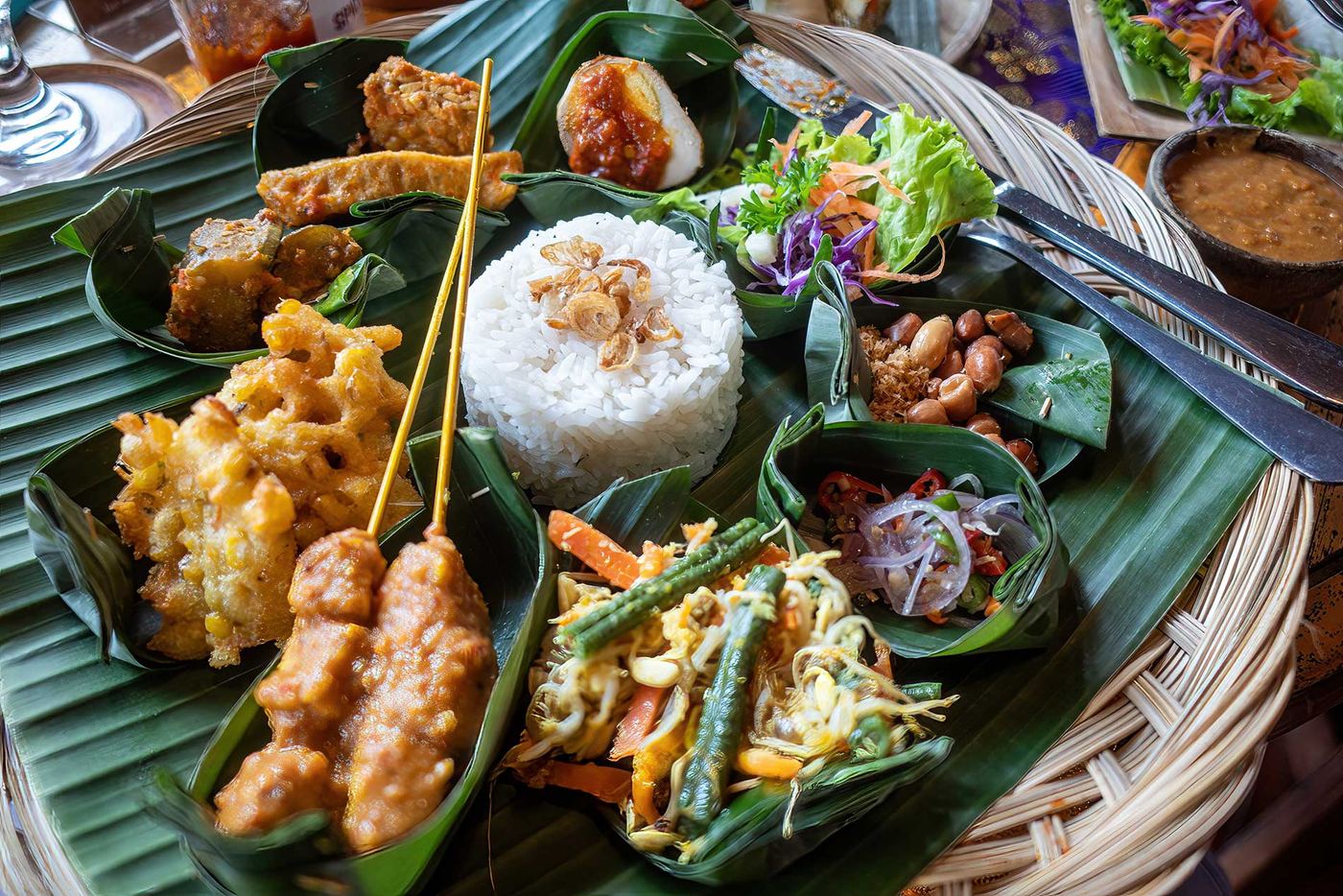
Eating well in Bali doesn't have to be expensive.
A meal at a local warung might cost around $5–$15, while cafés and tourist-area restaurants can be considerably more. Allowing $20–$50 per person per day for food is a reasonable starting point for many travellers, with extra room in the budget for special dinners or drinks.
And do try the local food. Nasi campur, babi guling, satay and freshly grilled seafood are among the dishes worth seeking out.
Transport and Activities
A private driver can cost approximately $50–$100 or more for a day, depending on the itinerary, vehicle and hours involved. Shorter journeys using transport apps may be considerably cheaper.
Allow extra spending money for temple entry, water sports, spa treatments, boat trips and guided activities.
Estimated Total Budget for Seven Days
| Travel style | Estimated total per person |
|---|---|
| Budget holiday | $1,200–$1,800 |
| Comfortable mid-range holiday | $2,000–$3,500 |
| Luxury holiday | $5,000+ |
These estimates include flights and assume some accommodation and transport costs may be shared. Visa costs, insurance, shopping and expensive activities can increase your total.
Where to Stay in Bali
Where you stay matters more than you might expect. Bali's popular areas have quite different personalities, and traffic can make travelling between them slower than the map suggests.
Seminyak: Restaurants, Shopping and Beach Clubs
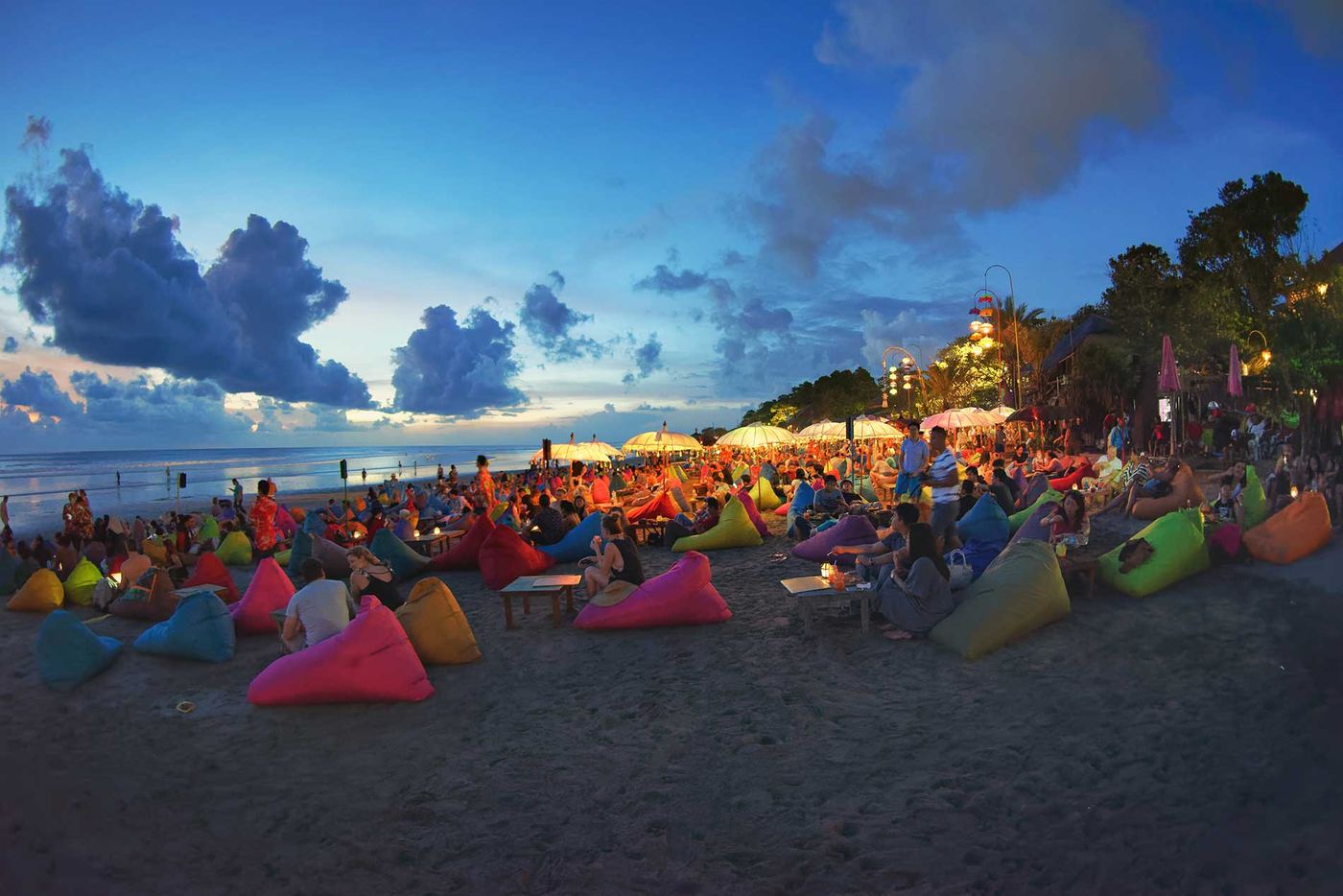
Seminyak is a good choice if you want a lively holiday with plenty of restaurants, shopping, spas and beach clubs nearby. There's a broad beach for sunset walks, and accommodation ranges from smaller hotels to beautiful private villas.
It's particularly appealing for couples, groups of friends and travellers who like having plenty happening close to their hotel.
Ubud: Culture, Nature and a Slower Pace
Surrounded by lush greenery, rice fields and traditional villages, Ubud offers a very different side of Bali.
It's a great base for visiting temples, exploring local art and crafts, joining a cooking class or heading out to nearby waterfalls and rice terraces. There are also some spectacular resorts tucked into the hills.
Ubud town itself can be busy, so look slightly outside the centre if you're after a quieter stay.
Kuta: Surfing, Nightlife and Budget-Friendly Hotels
Kuta has been welcoming Australian holidaymakers for generations. It's known for its long beach, beginner-friendly surfing, shopping and nightlife.
You'll find plenty of affordable accommodation, and its proximity to the airport makes it convenient for shorter trips.
Nusa Dua: Resorts, Families and Relaxation
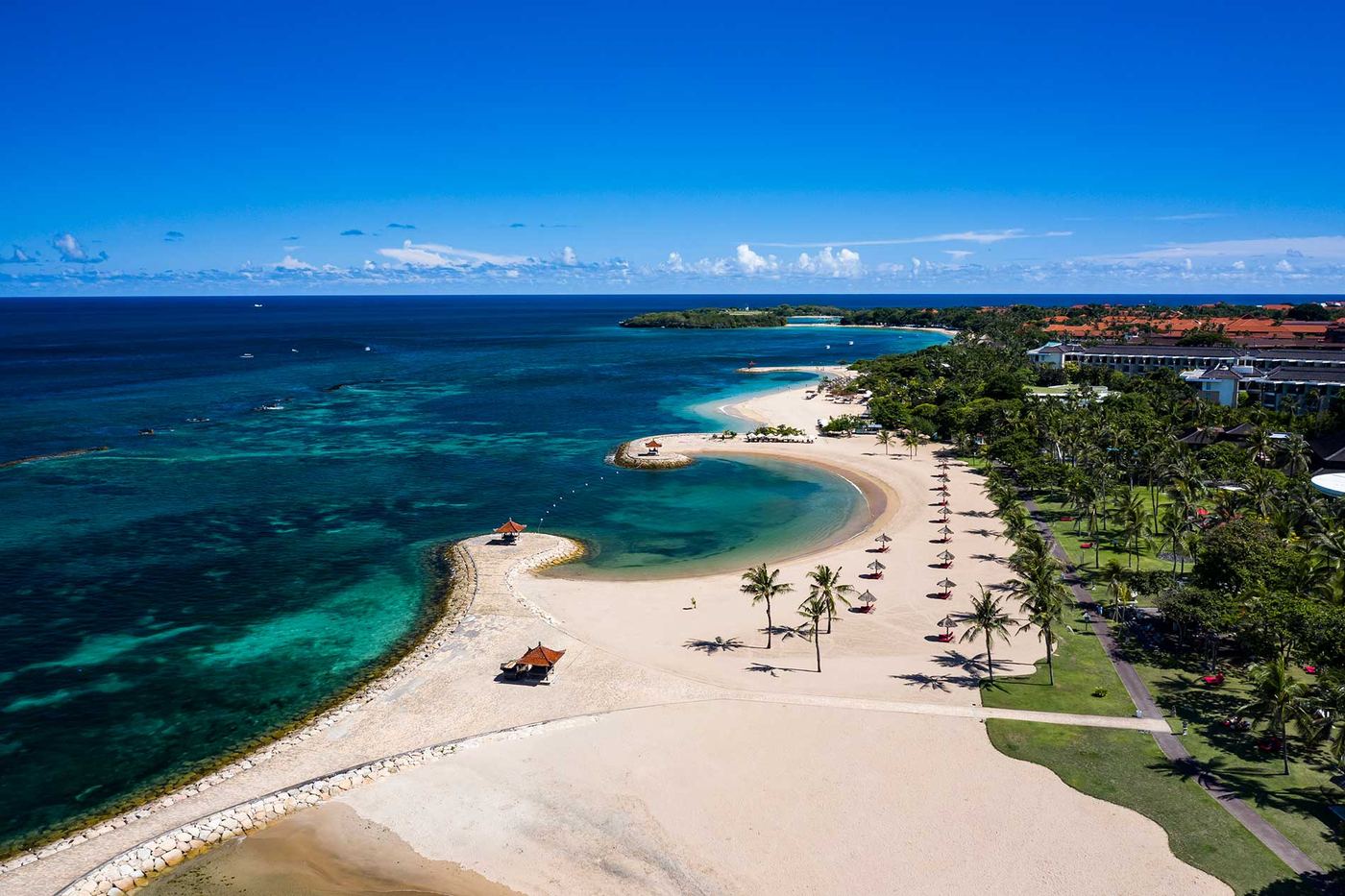
Nusa Dua is popular with families and travellers looking for a resort-style holiday.
The area has large beachfront hotels, well-maintained resort grounds and a more relaxed atmosphere than Bali's busiest nightlife districts.
For a first seven-day holiday, staying in one southern beach area and adding a couple of nights in Ubud can give you a lovely mix of coast and countryside. If you'd rather avoid changing hotels, choose one base and plan a few well-spaced day trips.
Your 7-Day Bali Itinerary
This itinerary combines some of Bali's best-known experiences without trying to cover the entire island in a week. It's designed around a stay in southern Bali, with the option of spending two nights in Ubud.
| Day | Plan | Base |
|---|---|---|
| Day 1 | Arrive, settle in and enjoy a sunset dinner | Seminyak or Kuta |
| Day 2 | Seminyak beaches, a surf lesson and sunset | Seminyak or Kuta |
| Day 3 | Tegallalang Rice Terraces and the Sacred Monkey Forest | Ubud |
| Day 4 | Temples, waterfalls or a cooking class | Ubud |
| Day 5 | Bukit Peninsula beaches, Uluwatu Temple and the Kecak dance | Southern Bali |
| Day 6 | Nusa Penida day trip or a day by the water | Southern Bali |
| Day 7 | One last swim, souvenirs and the airport | Southern Bali |
Day 1: Touch Down and Ease Into Island Time
Once you've cleared immigration at Denpasar Airport, and paid the tourist levy if you didn't do it online before you left, the first job is getting to your accommodation. Kuta is only a short drive away, while Seminyak can take anywhere from 20 minutes to an hour depending on traffic. A pre-booked hotel or private transfer is the easiest option after a flight, although official airport taxis and ride-hailing apps are also available from designated pick-up areas.
After that, resist the urge to cram anything in. Depending on when you land, you might have a few hours to cool off in the pool, get your bearings or wander down to the beach. If you're staying in Seminyak or Kuta, sunset makes the perfect welcome: find a table near the water, order something cold and let the holiday officially begin. An early night won't hurt either, especially if you were up before dawn for your flight.
Day 2: Soak Up Seminyak's Beaches and Sunsets
With a good night's sleep behind you, today is about easing into Bali's beach life. Start with a late breakfast at one of Seminyak's many cafés, then make your way to the sand. If you've always wanted to try surfing, the gentler breaks around Kuta are a popular spot for beginner lessons, and plenty of surf schools run short sessions with boards included. Not a surfer? Seminyak's boutiques, homewares stores and spas make it easy to fill a morning without going far.
For lunch, skip the tourist menus and head to a local warung for nasi campur or mie goreng at a fraction of the price. Keep the afternoon slow with a massage, a swim or a few hours at a beach club, then head back to the beach for sunset. Seminyak's evenings are made for lingering over dinner, with everything from relaxed Indonesian eateries to stylish beachfront restaurants.
Travelling with kids? Waterbom Bali in Kuta is a long-time family favourite and can easily fill a fun day for the whole crew.
Day 3: Swap the Beach for Ubud's Rice Terraces
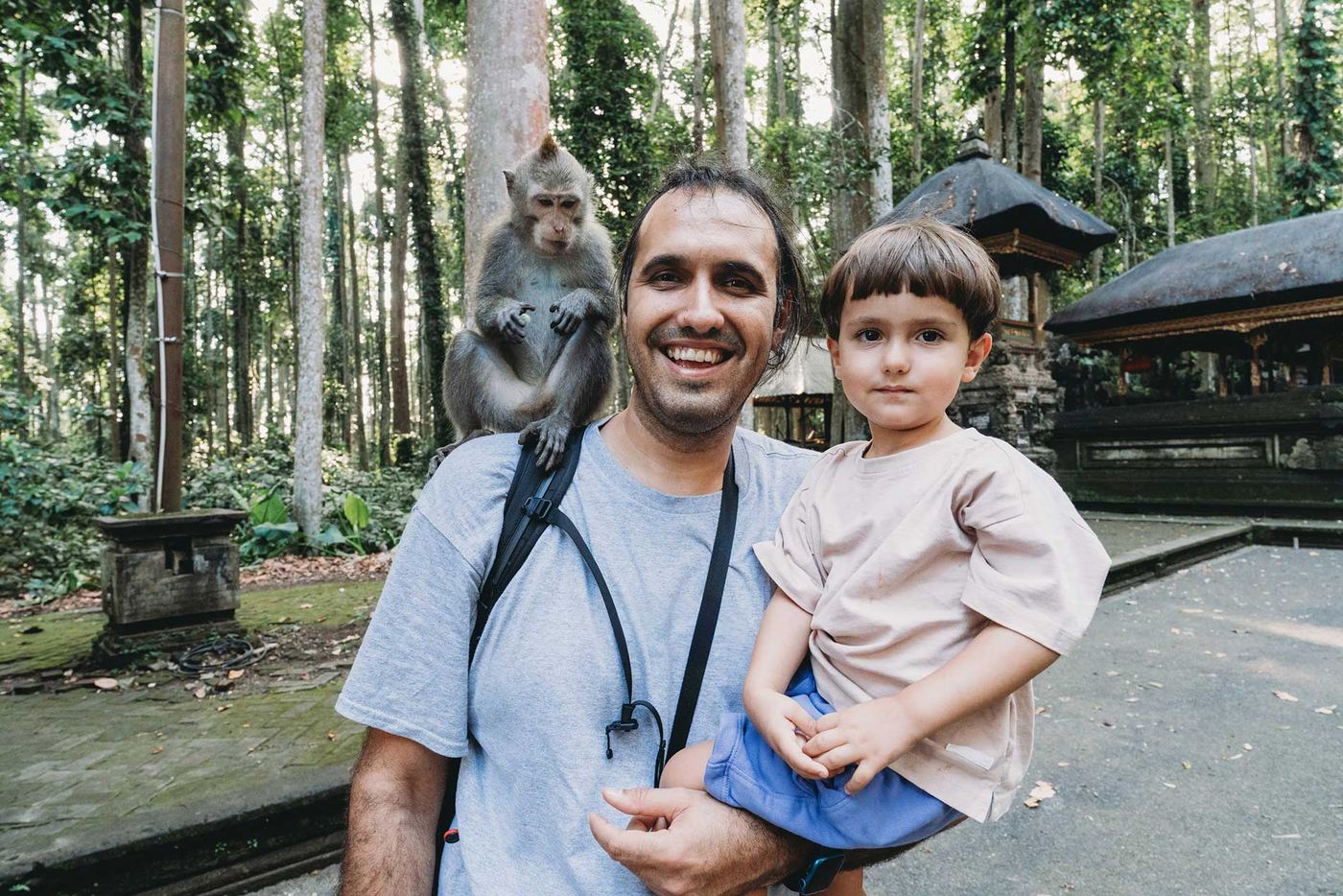
Today you'll swap the coast for Bali's green, cooler interior. Ubud is roughly one to two hours' drive from Seminyak, depending heavily on traffic, so it's worth setting off soon after breakfast. Most travellers either hire a private driver for the day, typically around $50–$100, which lets you stop along the way, or book a car through Grab or Gojek. A shared tour is another option if you'd rather someone else handle the planning.
If you can, visit the Tegallalang Rice Terraces on your way in. They sit about 20 minutes north of Ubud town, and going in the morning means cooler temperatures and fewer crowds than mid-afternoon. Expect a small entry fee or donation, and wear shoes with decent grip, as the paths between the terraces can be steep and slippery after rain.
In the afternoon, explore the Sacred Monkey Forest Sanctuary in the centre of Ubud, where ancient temples sit beneath huge trees and hundreds of long-tailed macaques roam freely. They're entertaining to watch but quick to grab sunglasses, hats and snacks, so keep belongings zipped away and don't feed them. Afterwards, check into your accommodation and take it easy. Ubud has a fantastic range of places to eat, from inexpensive warungs to more refined restaurants, so the evening is easy without much planning.
Travelling with kids? Swap the longer walk around Tegallalang for a shorter stop at a viewpoint, and give yourselves extra time at the Monkey Forest, which tends to be a hit with younger travellers.
Day 4: Chase Waterfalls and Temples Around Ubud

Spend today exploring the countryside around Ubud, where Bali's Hindu culture is part of everyday life. You'll notice small offerings of flowers and incense outside homes and shops, and temples seem to appear around every corner. Tirta Empul, a water temple where locals bathe in sacred springs, and Goa Gajah, the "Elephant Cave", are two of the best-known sites within easy reach of town. Visitors need to cover their legs at temples, and most provide a sarong at the entrance if you don't have your own.
Bali's waterfalls are the other big drawcard. Tegenungan, Tibumana and Kanto Lampo are all popular and a short drive from Ubud. Most involve a fair few steps down to the base (and, sadly, back up again), so bring decent shoes and water, and check conditions before swimming, particularly after heavy rain. Because these sights are spread out, a driver for the day is handy if you're planning several stops.
If you'd prefer something more hands-on, a Balinese cooking class is a great way to spend the morning. Many begin with a visit to a local market before you learn to make dishes such as sate lilit and fragrant curries. Whatever you choose, leave room to simply enjoy Ubud: a long lunch overlooking the greenery, a browse through local craft shops or a traditional Balinese massage are all part of the experience.
Day 5: Catch the Sunset at Uluwatu's Clifftop Temple
Today you'll head back to the coast, this time to the Bukit Peninsula in Bali's far south. The drive from Ubud can take two hours or more, so if you're changing hotels, check out mid-morning and give yourself plenty of time.
The Bukit is known for dramatic limestone cliffs, world-famous surf breaks and small beaches tucked into the coastline. Padang Padang Beach is reached by a set of steps through a gap in the rocks and is a lovely spot for a swim when the surf is calm. The clifftop cafés and restaurants nearby are ideal for a long lunch with an ocean view.
In the late afternoon, make your way to Uluwatu Temple, perched about 70 metres above the Indian Ocean. Sarongs and sashes are provided at the entrance, and it's worth keeping a firm grip on sunglasses and hats, as the temple's monkeys are notorious for snatching them.
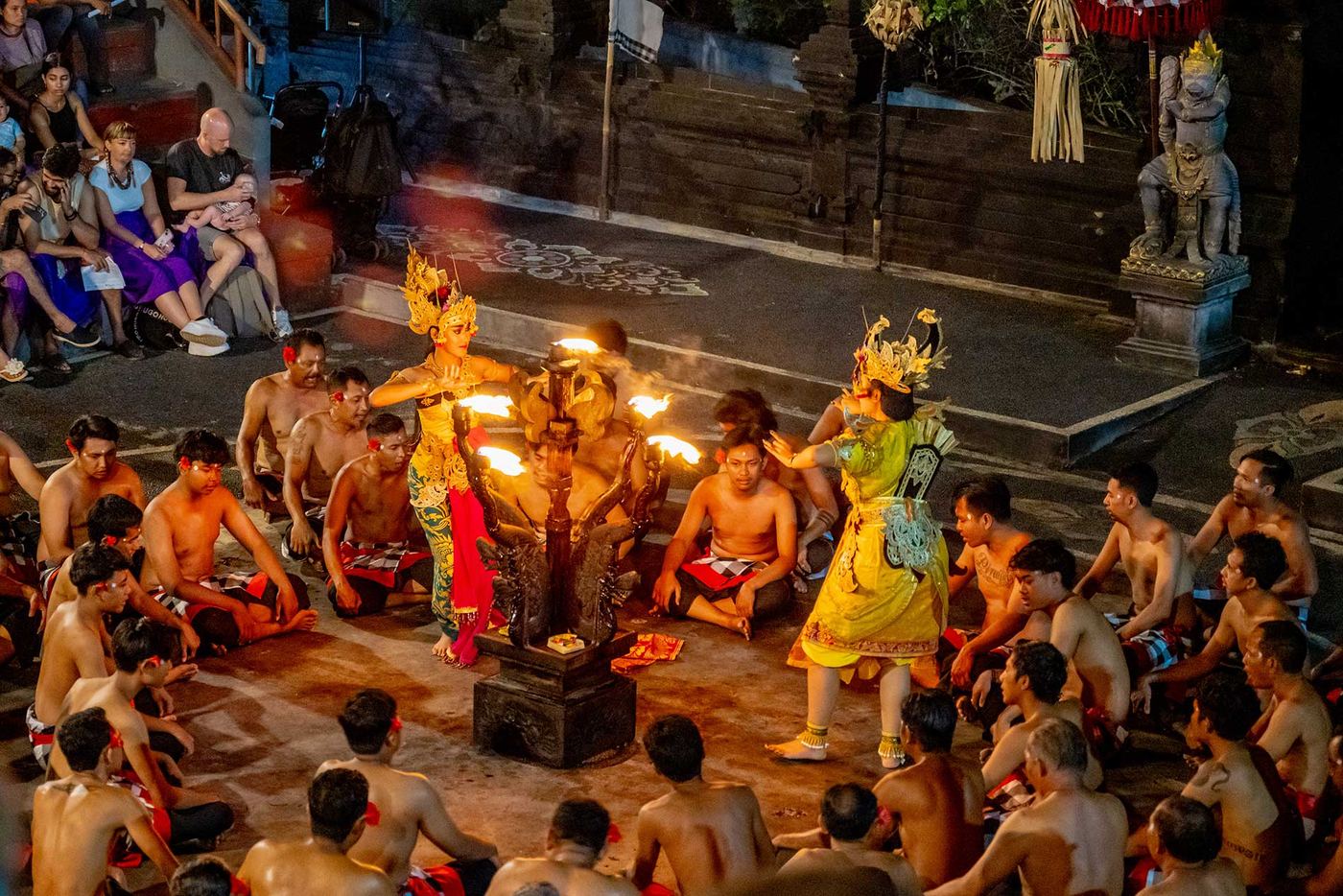
Stay for the Kecak fire dance, held in the clifftop amphitheatre around sunset. Instead of instruments, a large chorus of performers chants rhythmically while dancers act out scenes from the Ramayana. Tickets can usually be bought at the temple, but seats fill quickly in busy periods, so arrive early for a good spot. It's one of those Bali experiences that lives up to the hype.
Day 6: Hop Across to Nusa Penida or Stay by the Water
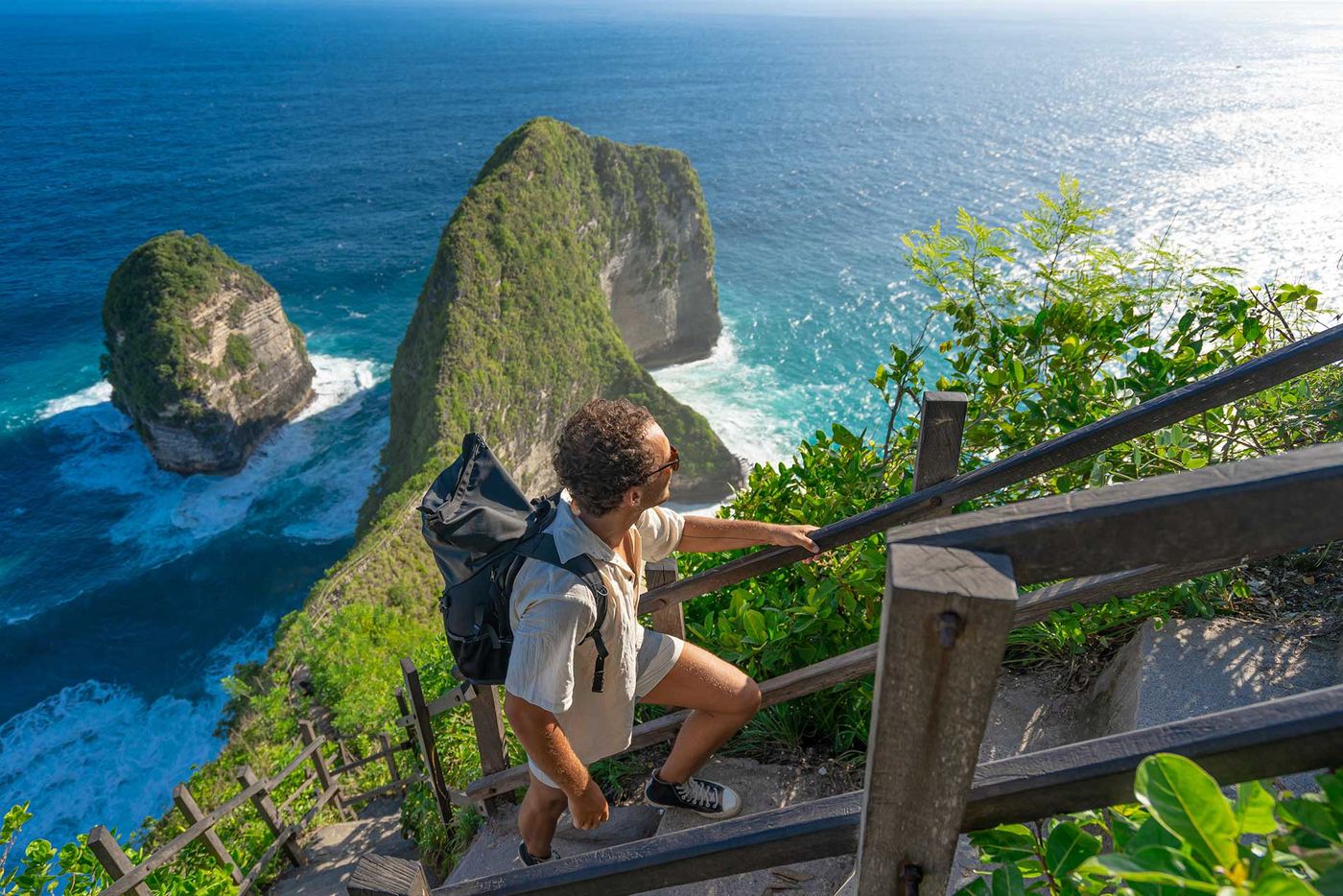
For something different, consider a day trip to Nusa Penida, an island off Bali's south-east coast famous for its rugged cliffs and turquoise water. Fast boats leave from Sanur and generally take around 30 to 45 minutes, although sea conditions can affect crossings. Once you arrive, an organised tour or pre-booked driver is the easiest way to get around.
Most visitors head straight for Kelingking Beach and its striking T-Rex-shaped headland. The viewpoint at the top is spectacular; the path down to the beach is very steep and best left to confident, well-prepared hikers. Snorkelling trips to spot manta rays are another popular option. Just be prepared for a long day. The island's roads are narrow and rough, getting between sights is slow, and trying to tick off every famous viewpoint usually means more time in the car than enjoying them. Two or three highlights is plenty.
If an early start and a big travel day don't appeal, stay on Bali instead. Go snorkelling, book another surf lesson, try white-water rafting or simply claim a sun lounger and do as little as possible. All perfectly valid holiday choices.
The Gili Islands often come up too, but they're better saved for an overnight stay or a longer trip than squeezed into a day from southern Bali.
Travelling with kids? The boat transfer and bumpy roads can make Nusa Penida hard going with little ones. Sanur's calm, reef-protected beach is a much more relaxed alternative.
Day 7: One Last Swim Before Heading Home
How you spend your final day depends on when your flight leaves. With a late departure, there's time for a leisurely breakfast, one last swim, a final massage or some souvenir shopping. If you're browsing the markets, a bit of friendly bargaining is expected, just keep it good-natured.
Most hotels will store your luggage after check-out, and some offer late check-out or day-use rooms for a fee, which is worth asking about if you're flying late at night.
When it's time to leave, give yourself more time than you think you need to reach Denpasar Airport. Bali's traffic can be unpredictable, particularly in the late afternoon, and most airlines recommend arriving at least two to three hours before an international flight.
And if you didn't get to everything on your list? That's hardly a disaster. Bali has a way of making sure you come back.
Getting Around Bali
Getting around Bali is fairly straightforward once you know your options, but it's worth remembering that road travel can be slow.
Private Drivers
Hiring a private driver is one of the easiest ways to explore Bali, particularly for longer sightseeing days.
You can arrange a driver through your accommodation or a reputable local operator. Agree on the itinerary, hours and price before setting off.
Grab and Gojek
Grab and Gojek are widely used for local transport in many parts of Bali. They're convenient for shorter journeys, although pick-up locations and availability can vary.
Scooter Rentals
Scooters are everywhere in Bali, but they're not necessarily the best option for visitors unfamiliar with local roads.
Traffic can be challenging, and you'll need the correct motorcycle licence, any required international driving permit and suitable insurance cover.
Airport Transfers
Pre-arranging an airport transfer can make arrival much easier, especially after a long flight or when travelling with children.
Many hotels offer transfers, and private car services are widely available.
Bali Travel Tips for Australians
A little preparation before leaving Australia can save you time and hassle once you arrive.
Visa and Entry Requirements
Australian passport holders generally need a visa to visit Indonesia. Eligible travellers can usually obtain a Visa on Arrival or apply for an electronic equivalent for a short tourist stay.
Passport validity requirements, visa fees, electronic arrival declarations and Bali's foreign tourist levy should all be checked before departure.
For current advice, visit Smartraveller's Indonesia travel information and official Indonesian immigration websites.
Currency
Bali uses the Indonesian rupiah (IDR).
Credit and debit cards are accepted at many hotels, restaurants and larger businesses, but it's useful to carry some cash for markets, smaller shops and local warungs.
Use reputable money changers or bank ATMs, and check your Australian bank's overseas transaction fees.
Internet and Mobile Data
An international roaming plan or travel eSIM is useful for maps, transport apps and staying in touch.
Local SIM cards are another option, although registration requirements may apply.
Health and Safety
Stick to sealed bottled or properly filtered drinking water, use mosquito repellent and take sensible precautions with food hygiene.
Travel insurance is strongly recommended, particularly if you're planning water sports, scooter riding or adventure activities. Check the policy exclusions before booking those experiences.
Respecting Local Customs
Balinese culture is an important part of what makes the island special.
Dress appropriately when visiting temples, follow local instructions and be respectful around ceremonies and religious offerings.
A little courtesy goes a long way, and taking an interest in local traditions can make your holiday far more rewarding.
Tips for Saving Money on a Bali Holiday
You don't need to spend a fortune to have a wonderful week in Bali.
One of the easiest ways to manage your budget is to mix more affordable experiences with a few special treats.
Enjoy breakfast at a local café, eat at traditional warungs, choose accommodation near the places you want to visit and avoid unnecessary long-distance transfers.
If you're travelling with friends or family, sharing a villa or private driver can offer excellent value.
For flights, compare several dates and check baggage inclusions before booking. And if your travel dates fall during Australian school holidays, it's worth planning well ahead.
Frequently Asked Questions About a Week in Bali
Absolutely. Seven days gives you enough time to enjoy the beaches, explore Ubud, visit temples and try a few activities. You won't see the entire island, but you can experience several different sides of Bali without rushing.
For a comfortable mid-range holiday, approximately AUD $2,000–$3,500 per person, including flights and accommodation, is a useful planning estimate. Budget travellers may spend less, while luxury resorts and premium experiences can push costs considerably higher.
Bali can offer very good value, particularly for accommodation, local dining and some services. However, luxury resorts, imported drinks, beach clubs and popular tourist experiences can be expensive. Your choice of accommodation and activities will have the biggest impact on spending.
Seminyak is ideal for beaches, restaurants, shopping and nightlife. Ubud is better suited to travellers interested in nature, culture and a quieter setting. If it's your first trip and you have seven days, spending time in both can be a great option.
Yes, Nusa Penida is a popular day trip from Bali, with boats departing from Sanur. However, it's a long day involving boat transfers and road travel. An overnight stay is worth considering if you want more time to explore.
Cheaper fares can sometimes be found outside Australian school holidays and major holiday periods, but prices vary by departure city, airline and travel dates. Comparing flights across several days is generally more useful than relying on a particular month.
Ready to Plan Your Week in Bali?
Seven days gives you plenty of time to enjoy what makes Bali such a favourite with Australians. You can spend mornings by the beach, explore Ubud's green hills, discover beautiful temples and enjoy some fantastic food along the way.
The best itinerary is one that leaves room for the things you enjoy most. Choose where you want to stay, plan a few experiences you're excited about and don't worry about seeing the entire island on your first visit.
With flights from several Australian cities and accommodation to suit almost every budget, Bali remains a wonderful choice for a week away.
When you're ready, compare flights to Bali from your nearest city, or call the iFly team on 1800 242 373 for help finding flight times that make the most of your seven days.