Thinking about an overseas adventure? While discovering new places is exciting, staying alert to common tourist scams is important. Here are the top 8 travel scams that Australians should be cautious of when travelling overseas.
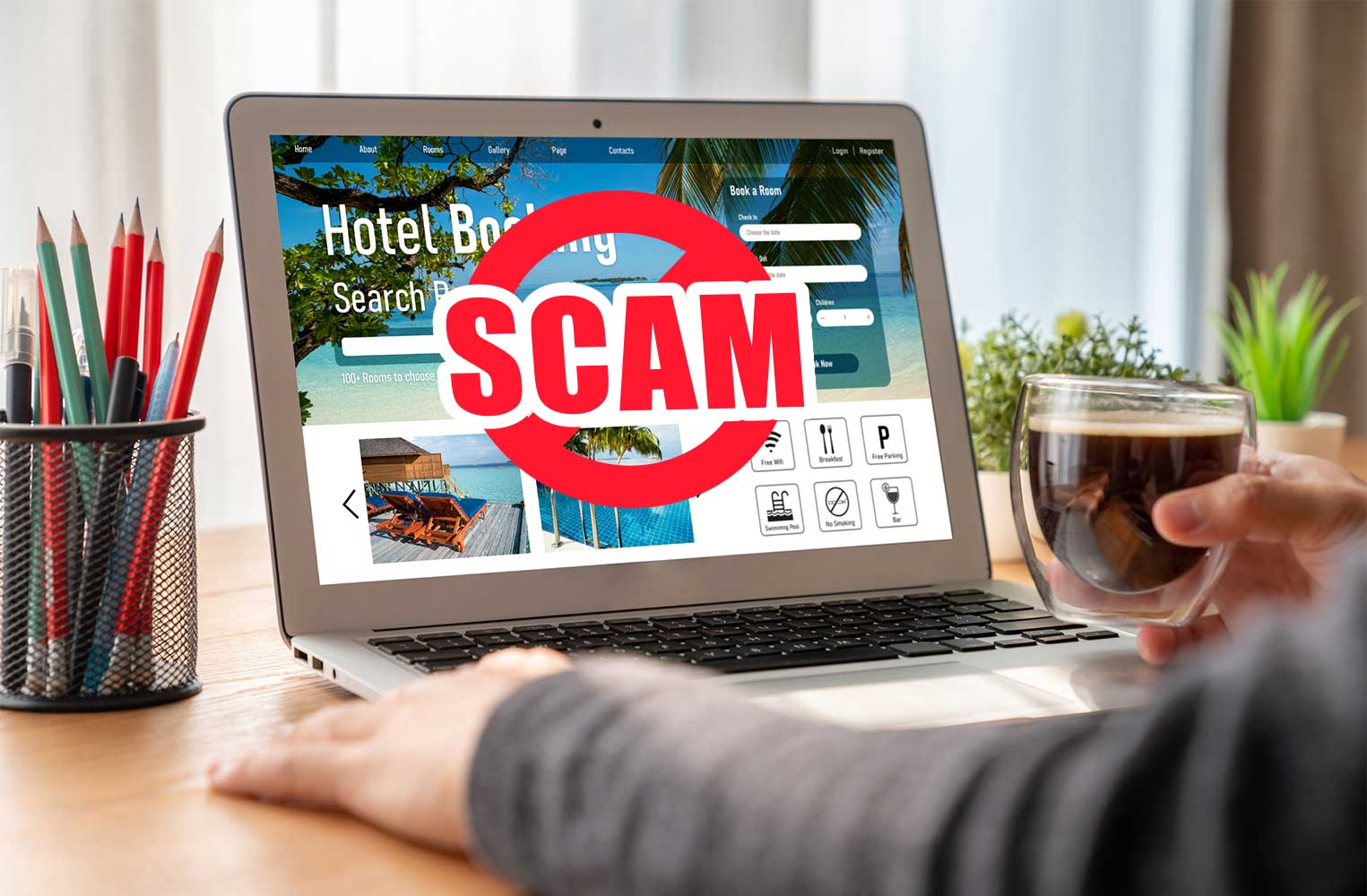 Fake booking sites look professional — always verify before paying
1. Fake Booking Scams
Scammers create professional-looking websites offering unbeatable deals on hotels, tours, or flights. After you make a payment, you find that the booking is non-existent.
To safeguard yourself:
- Always book directly through trusted websites or verified platforms — check reviews and verify the site's URL
- Confirm your booking details with the service provider to ensure legitimacy
- Use a credit card for payments, as it provides added fraud protection
If a deal feels too good to be true, it probably is.
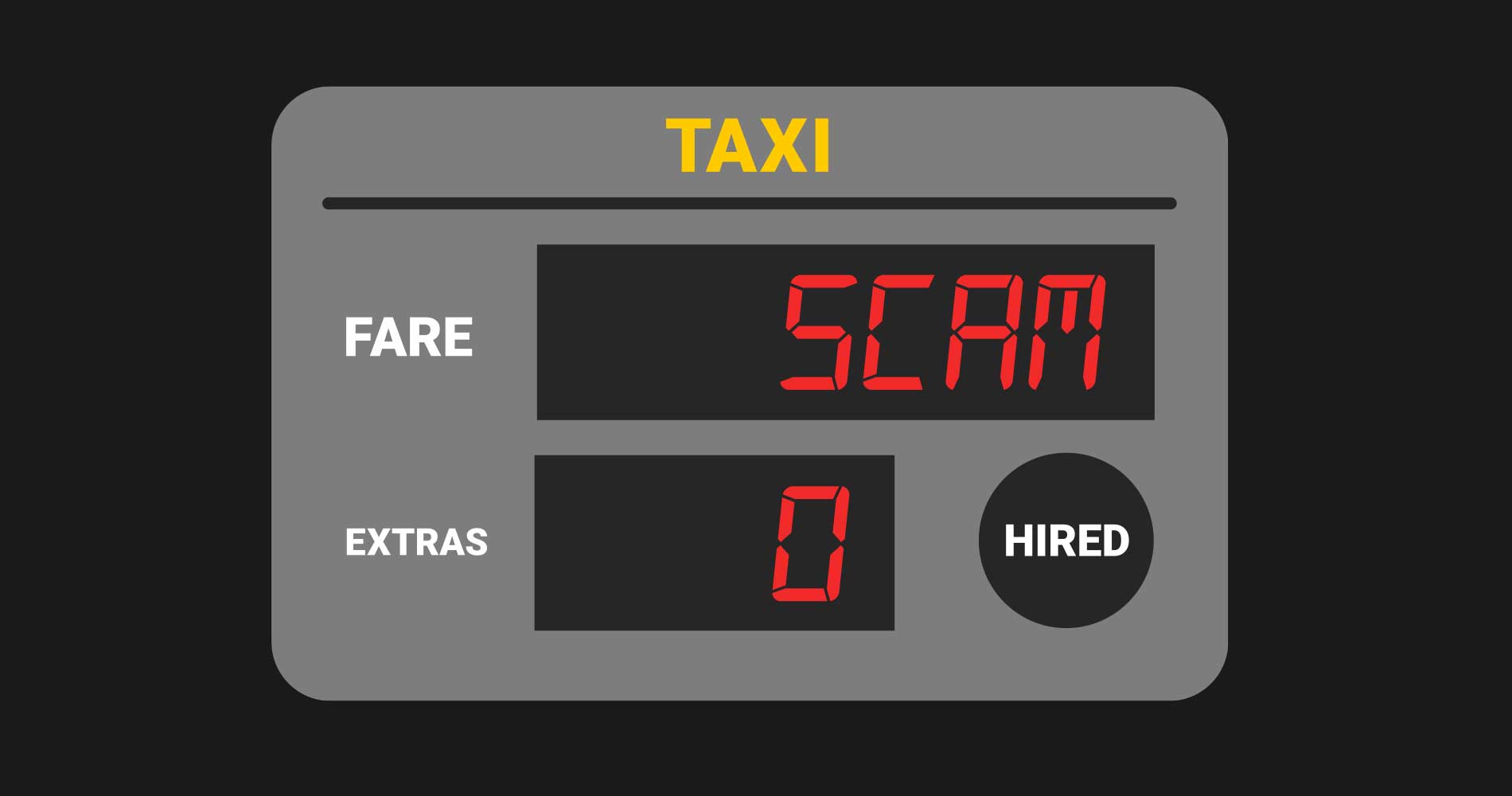 Always make sure the meter is on before your taxi moves
2. Taxi Overcharging
Have you ever jumped into a cab only to discover that the meter is mysteriously "broken"? Some drivers, particularly around airports or popular tourist areas, take advantage of this by imposing outrageous flat rates.
How to prevent this:
- Always opt for licensed taxis
- Make sure the meter is on before you move
- Settle on a fare before you start your journey
Research trustworthy taxi services at your destination — or use ride-hailing apps like Uber or Grab.
 Fake tour guides and tickets are common at popular attractions worldwide
3. Fake Tour Guides or Tickets
At popular attractions, you might come across friendly "guides" trying to sell you tickets or tours at lower prices. These tickets are frequently fake or not valid, leaving you stuck outside the venue.
How to prevent this:
- Always purchase tickets from official sources or trusted vendors
- Research and book certified tours ahead of time
- Verify the credentials of tour guides through online reviews or trusted agencies
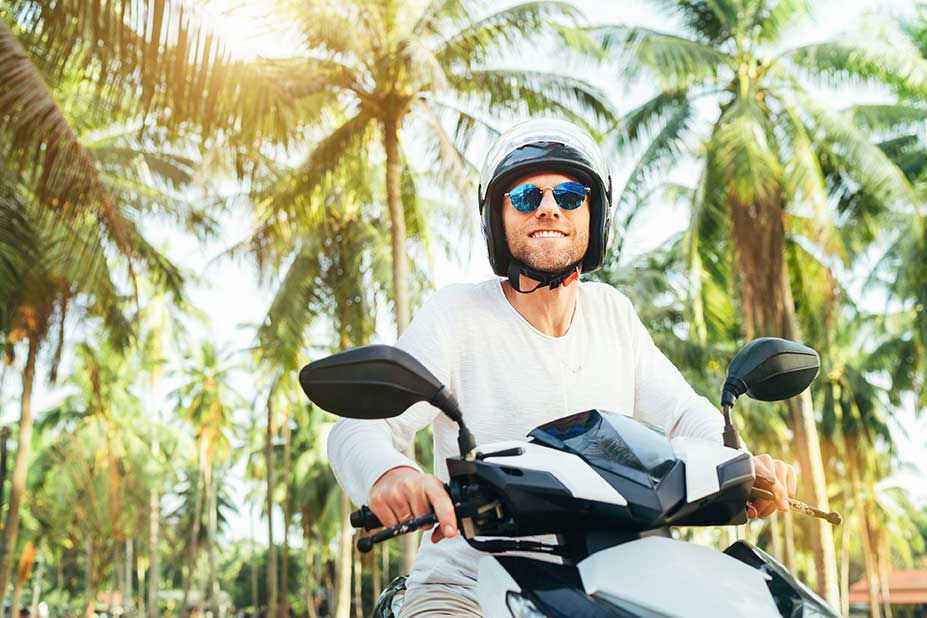 Always photograph the vehicle before you hire it — scooter scams are common in Southeast Asia
4. Vehicle Hire Scams
Planning to rent a bike, scooter, or jet ski? Be cautious of operators who might later accuse you of damaging the vehicle and try to charge you high fees.
How to avoid this:
- Take photos of the vehicle's condition before you start using it
- Steer clear of leaving your passport as collateral
 Always count your money at the counter before walking away
5. Currency Exchange Scams
Be cautious of sketchy exchange offices that advertise tempting rates but include hidden fees or "accidentally" shortchange you. Some might even hand out counterfeit bills.
How to prevent this:
- Use official exchange bureaus or withdraw cash from ATMs at trusted banks
- Always count your money before leaving the counter
- Know the local currency to identify any fakes
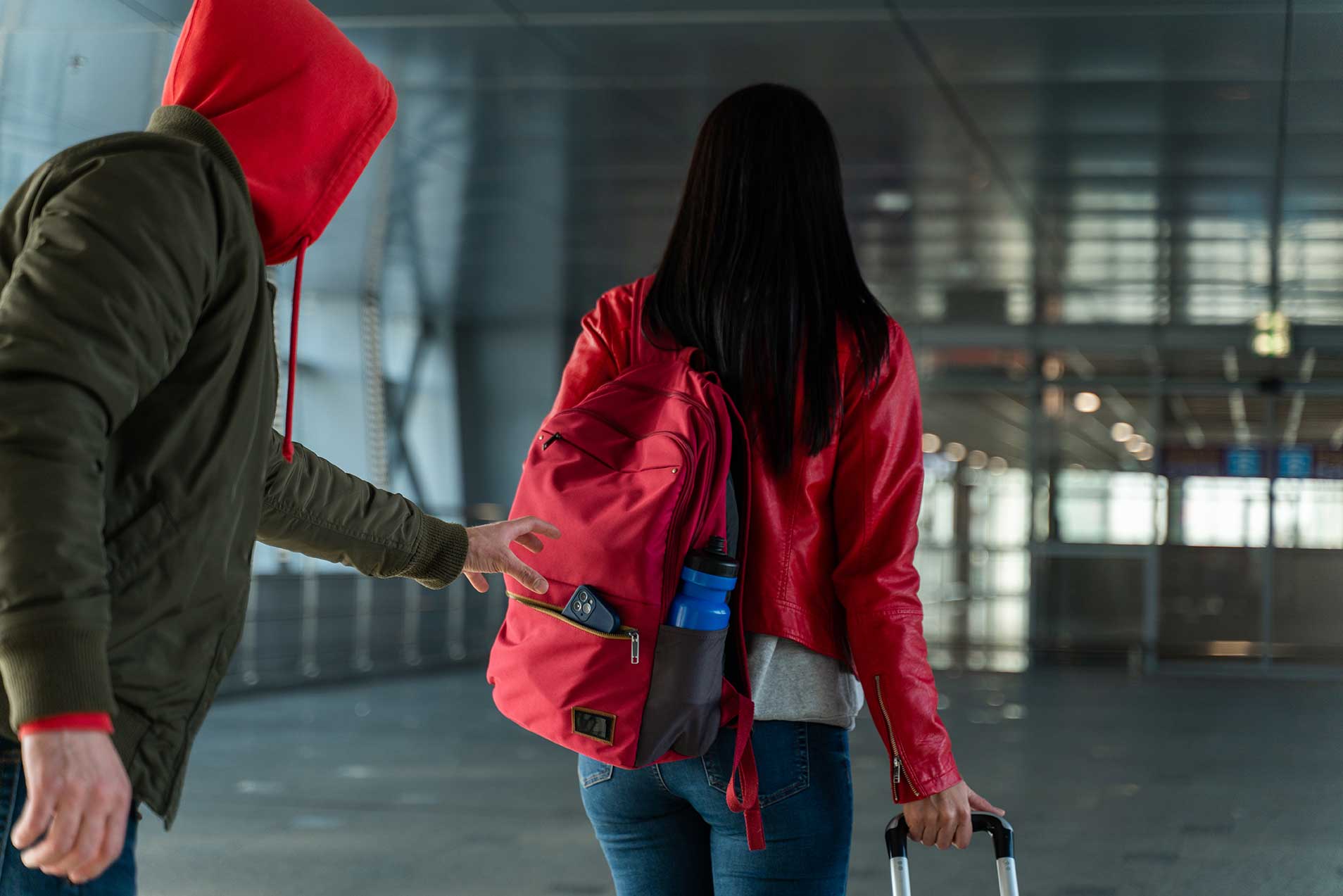 Pickpockets use clever distraction tactics — stay alert in busy tourist areas
6. Pickpocketing and Distraction Tactics
Popular tourist areas are often targeted by pickpockets who employ clever distraction techniques — spilling something on you, causing a scene, or an overly friendly approach. While you're distracted, their partners take your belongings.
How to avoid this:
- Stay alert in crowded areas
- Use anti-theft bags with hidden compartments
- Keep your valuables secure and split between different pockets
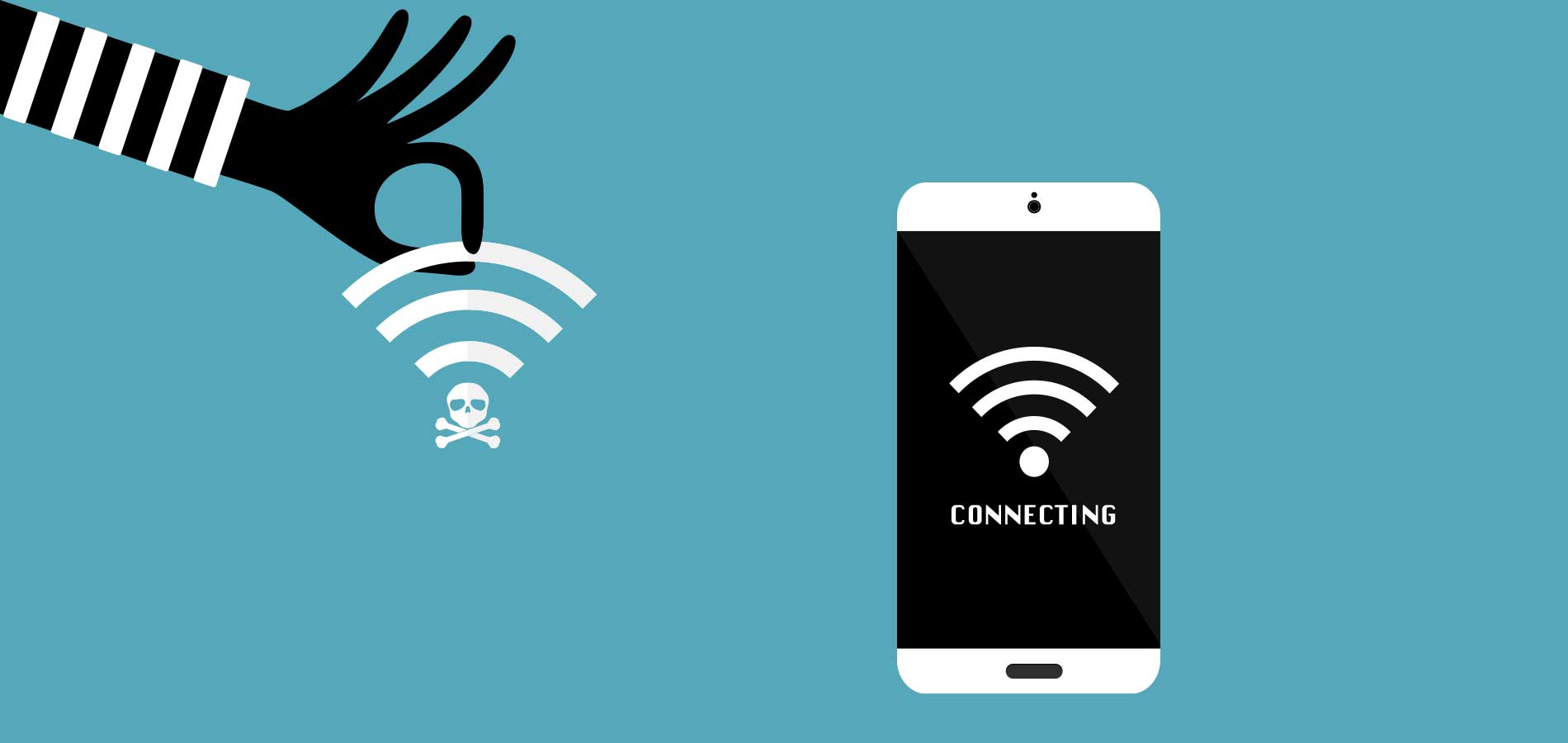 Public WiFi networks can be traps — use a VPN when browsing overseas
7. Wi-Fi Data Theft
While public Wi-Fi can be handy, some networks are actually traps set up to steal your personal information.
How to avoid this:
- Steer clear of unsecured networks, especially for banking or personal data
- Use a VPN to safeguard your data when browsing while travelling
 Fake police officers are a scam — always ask to see ID and suggest going to a police station
8. Fake Police Officers
People pretending to be police officers approach tourists, claiming they've committed minor offences and insisting on an immediate fine.
How to handle this:
- Ask to see proper identification before complying with any demands
- If in doubt, suggest resolving the issue at a proper police station
- Real police will not demand immediate cash payments
Final Tips to Stay Safe
- Always stay vigilant, especially in crowded tourist areas
- Avoid sharing too much personal information with strangers
- Keep copies of important documents (passports, insurance) in a secure cloud service
- Consider travel insurance — it could be a financial lifesaver if things go wrong
Travelling is one of life's greatest joys, but staying informed is your best defence. By recognising these common traps and taking simple precautions, you can keep your adventure stress-free and filled with memorable moments. Trust your instincts, and let your travels be defined by the places you visit — not the pitfalls you avoid!
Book your flights through iFly.au — a trusted Australian travel agency since 1992. Plus, protect your trip with travel insurance.
Search Flights → or call 1800 242 373